

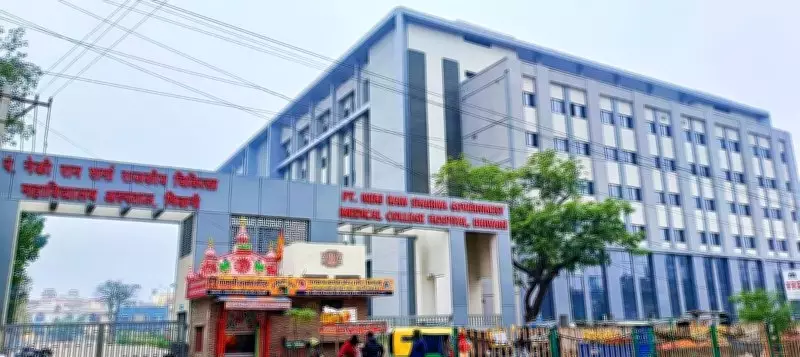
Healthcare services in Bhiwani district are suffering due to significant coordination gaps among various health departments, leading to inefficiencies and compromised patient care. A recent review highlighted that fragmented communication between primary health centers, community health centers, and the district hospital has resulted in delayed treatments, misallocation of resources, and poor follow-up care.
Root Causes of Coordination Failure
The primary issues include lack of a unified digital health platform, inconsistent reporting mechanisms, and insufficient inter-departmental meetings. Medical officers often operate in silos, with minimal sharing of patient data or resource availability. This has led to duplication of efforts in some areas while other regions face shortages of medicines and staff.
Impact on Patient Care
Patients in rural areas are the most affected. Many travel long distances to the district hospital only to find that necessary specialists are unavailable due to poor scheduling coordination. Emergency cases sometimes face delays as ambulance services are not optimally linked with hospital readiness. Chronic disease management, such as for diabetes and hypertension, suffers from lack of coordinated follow-up, leading to complications.

Resource Wastage
Coordination gaps have also led to wastage of resources. For instance, vaccines and medicines near expiry at one facility are not transferred to another where they are needed. Equipment maintenance is inconsistent due to unclear responsibilities between departments.
Official Response and Proposed Solutions
District health officials have acknowledged the problem. A meeting chaired by the Deputy Commissioner directed all health departments to adopt an integrated approach. Plans include implementing a shared digital dashboard for real-time data, monthly coordination meetings, and a centralized helpline for patient referrals. Training programs will emphasize teamwork and communication.
Community Involvement
Local community health workers, including ASHA and ANM workers, are being encouraged to act as liaisons between different health facilities. Their feedback will be used to identify gaps and improve service delivery.
The administration aims to resolve these issues within three months, with regular audits to ensure compliance. Improved coordination is expected to enhance healthcare access and outcomes for Bhiwani's population.






