India's Tuberculosis Challenge: Significant Progress Amidst Daunting Scale
India may be making notable strides in its fight against tuberculosis, yet the sheer magnitude of the challenge remains profoundly stark. The country accounts for nearly a quarter of the world's TB cases, with millions of infections still going undetected each year. According to the Tuberculosis Fact Sheet 2026 released by the Centre, tuberculosis continues to be India's most significant infectious disease burden, contributing about 25% of the global TB load. Five countries together account for over half of all cases worldwide, highlighting the concentrated nature of this public health crisis.
Government Claims Progress Toward Elimination Targets
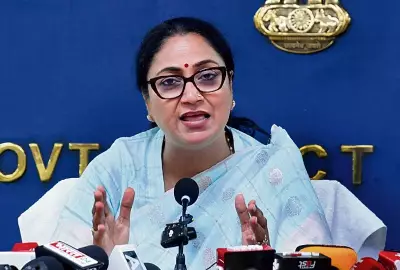
At the World TB Day 2026 national launch event in Greater Noida, Union Health Minister J P Nadda asserted that India is on track to eliminate tuberculosis ahead of global targets. He credited this progress to a "jan bhagidari" (people's participation) approach under Prime Minister Narendra Modi's leadership. Nadda cited compelling statistics: a 21% decline in TB incidence and a 25% reduction in deaths between 2015 and 2024, with treatment coverage now reaching 92% of identified cases.
Recent epidemiological data supports this optimistic trend. Treatment success rates have improved to approximately 90%, while over 26 lakh (2.6 million) cases were notified in 2024 alone—the highest annual notification ever recorded, reflecting substantially stronger detection efforts across the nation.

TB Mukt Bharat Abhiyan: Screening Millions, Finding Hidden Cases
A major push in India's anti-TB campaign has come from the TB Mukt Bharat Abhiyan (TB-Free India Mission), which has focused intensively on identifying hidden and high-risk cases. This initiative has screened more than 20 crore (200 million) people, leading to the detection of over 32 lakh (3.2 million) TB patients, including a substantial number of asymptomatic individuals who might otherwise have gone undiagnosed. Minister Nadda reported that this intensified case-finding approach has dramatically reduced undetected cases from over 10 lakh to under one lakh.
Nadda also announced an ambitious 100-day intensified campaign covering 1.58 lakh villages and urban wards across India. Simultaneously, the government launched an AI-enabled TB Mukt Bharat mobile application designed to improve access to care and enhance treatment tracking for patients and healthcare providers alike.
Persistent Challenges: Poverty, Stigma, and Drug Resistance
The 2026 factsheet underscores that tuberculosis remains closely linked to socioeconomic determinants, particularly poverty, malnutrition, and substandard living conditions. Economically vulnerable populations face substantially higher risks of infection and complications. Specific high-risk groups include people with diabetes, HIV-positive individuals, smokers, alcohol users, and those living in overcrowded settings where transmission occurs more readily.
Drug-resistant TB represents another serious concern, with over 55,000 cases reported in 2024 alone. These cases require longer, more complex, and more expensive treatment regimens, posing additional challenges to India's healthcare infrastructure.
Despite measurable progress, significant gaps persist in India's TB response. Nearly 64% of people experiencing TB symptoms do not seek timely medical care due to persistent stigma, lack of awareness, or affordability issues. This delay in diagnosis contributes to continued transmission within communities and worsens individual health outcomes.
Technology and Community Outreach: Dual-Pronged Strategy
To address these systemic barriers, the government has implemented a strategy combining robust community outreach with technological innovation. Initiatives like the Ni-kshay Mitra programme have mobilized thousands of volunteers to provide nutritional support, counseling, and social assistance to TB patients. Digital tools, including the newly launched TB Mukt Bharat app, aim to streamline care coordination and improve treatment adherence through real-time monitoring.

Emphasizing the importance of increased funding and indigenous innovations like the TrueNat diagnostic platform, Minister Nadda reiterated that tuberculosis is both preventable and curable. He stressed the critical need to reduce social stigma while ensuring early diagnosis and complete treatment for all affected individuals.
Recognizing Symptoms Beyond the Cough
Health officials emphasize that tuberculosis symptoms extend far beyond the classic persistent cough. They can include prolonged fever, unexplained weight loss, chronic fatigue, chest pain, and drenching night sweats. This broader symptom profile makes awareness campaigns and early testing absolutely critical for timely intervention and breaking transmission chains.