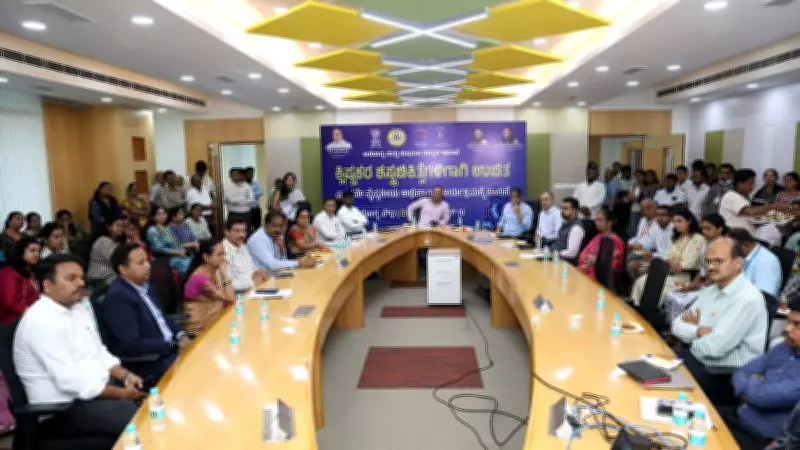
The Karnataka government's second medical opinion initiative, launched to provide patients with an additional expert perspective on diagnoses and treatments, has failed to gain momentum in its second year. Health and Family Welfare Minister Dinesh Gundu Rao, during a visit to Mangaluru on Saturday, acknowledged that the scheme received a lukewarm response from the public in the previous financial year.
Lack of Awareness and Accessibility
Despite being promoted as a patient-centric program, the initiative has struggled due to limited awareness among the general population. Many residents in rural and semi-urban areas remain unaware of the facility, which allows them to seek a second opinion from government-empaneled specialists. Additionally, logistical challenges, such as the need for prior medical records and referrals, have deterred potential beneficiaries.
Minister's Admission
Speaking to reporters, Rao admitted that the scheme's performance fell short of expectations. "The response has not been as encouraging as we hoped," he said, adding that the department is reviewing the program to identify bottlenecks. He emphasized the need for better outreach and simplification of procedures to ensure wider adoption.

Impact on Healthcare Delivery
The initiative was designed to reduce unnecessary surgeries and misdiagnoses by offering patients a second expert view. However, with low uptake, its impact on improving healthcare outcomes has been minimal. Critics argue that the scheme lacks sufficient publicity and integration with primary health centers, which are the first point of contact for most patients.
Way Forward
The health department plans to launch awareness campaigns through local media and community health workers. Rao also hinted at possible revisions to the scheme, including making it more accessible via telemedicine. "We are committed to making this initiative successful," he assured, stressing the government's focus on patient welfare.
The development highlights broader challenges in implementing health schemes in Karnataka, where infrastructure gaps and administrative hurdles often hinder progress. Stakeholders have called for a more robust monitoring mechanism to track the scheme's reach and effectiveness.