

Minister Pledges Government Support to Diarrhoea-Affected Families in Srikakulam
In a significant response to the recent health crisis, State Municipal Administration and Urban Development Minister P Narayana has assured that the government will stand firmly by the families affected by the diarrhoea outbreak in Srikakulam town. The minister's visit to the impacted areas underscores the administration's commitment to addressing public health emergencies with urgency and compassion.
On-Site Visit and Personal Consolation
On Wednesday, Minister Narayana personally visited the affected families in Dammalaveedhi and Kandraveedhi, where numerous cases of diarrhoea have been reported. He was accompanied by District Collector Swapnil Dinakar Pundkar and local MLA Gondu Shankar, highlighting a coordinated effort between state and local authorities. During the visit, Narayana consoled the family members of Mandala Suresh, who tragically died from the illness, offering them reassurance of full government support.
The minister enquired in detail about the circumstances leading to Suresh's death, with family members explaining their concerns and difficulties. This direct interaction allowed for a better understanding of the ground realities and the specific needs of those impacted.

Outbreak Statistics and Medical Response
Speaking to the media, Narayana provided crucial updates on the outbreak. He revealed that nearly 100 cases have been reported due to the diarrhoea outbreak, with about 80 people currently receiving treatment at various health facilities. Except for two patients who are undergoing dialysis, all others are reported to be in stable condition. Of the 80 patients, 45 are deemed fit for discharge today itself; however, the district collector has ensured they remain under observation for an additional day as a precautionary measure.
The district administration responded swiftly to the crisis, admitting every affected patient to hospital without delay. Door-to-door health teams were deployed, and ambulances were stationed in the affected areas to ensure immediate medical attention. Preliminary testing of water samples did not reveal any abnormalities, but the samples have been sent for further culture testing to rule out any underlying contamination issues.
Hospital Visit and Review Meeting
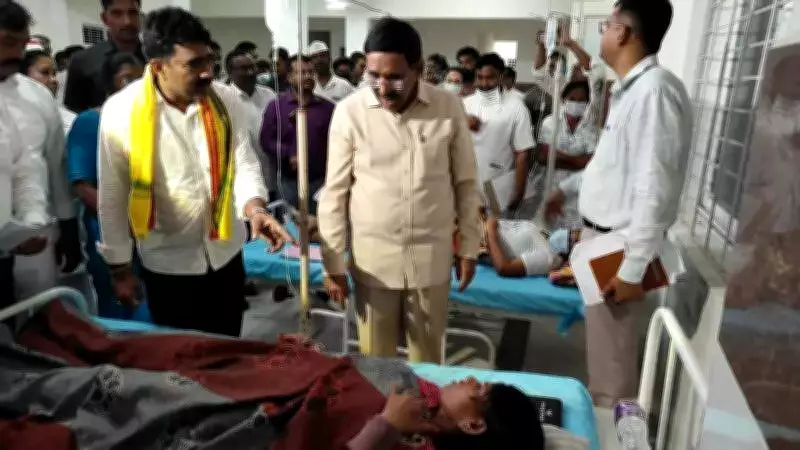
Minister Narayana also visited patients undergoing treatment at the Government General Hospital (RIMS) in Srikakulam. He interacted with each admitted patient, enquiring about their condition and offering words of encouragement. This hands-on approach demonstrated the government's personal concern for the well-being of those affected.
Following the hospital visit, the minister conducted a comprehensive review meeting with officials to take stock of the situation. Earlier, the local MLA and district collector had personally inspected the affected areas, interacting with family members to understand their concerns. They assured residents that there was no need to panic, as the government would stand by them and provide all necessary assistance.
Key Instructions and Preventive Measures
Officials have been directed to implement several key measures to control the outbreak and prevent future incidents:
- Ensure improved medical care for all affected persons, with adequate availability of medicines and medical staff.
- Undertake extensive sanitation drives in every street, including cleaning the drainage system to eliminate potential sources of contamination.
- Guarantee the supply of safe drinking water to residents, addressing one of the primary concerns in such outbreaks.
- Maintain continuous monitoring to prevent any negligence and ensure swift response to emerging cases.
Residents have been advised to remain vigilant and strictly follow doctors' instructions to aid in their recovery and prevent further spread. The combined efforts of the minister, district collector, and local MLA reflect a proactive approach to managing this public health challenge, with a clear focus on both immediate relief and long-term preventive strategies.






