Monsoon Disease Outbreak in Himachal Pradesh
Every monsoon in the Himalayas brings familiar images of flooded roads, landslides, and marooned villages. Yet another crisis, quieter but equally dangerous, often escapes sustained attention: the spread of waterborne diseases. The recent outbreak of jaundice in Kullu district, where at least 38 people including children and adolescents have fallen ill, and the health advisory issued in Shimla warning of jaundice, diarrhoea, cholera, and typhoid, should be treated as an urgent public health alarm.
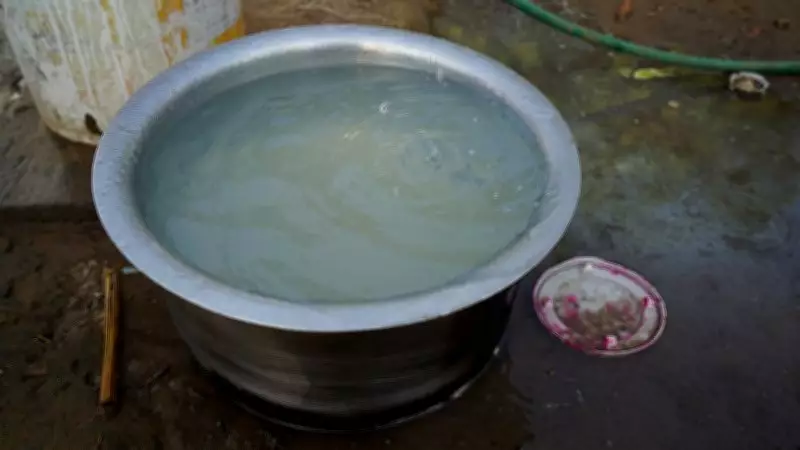
Heavy rainfall has disrupted roads, electricity, and water supply across Himachal Pradesh. Landslides and damaged pipelines increase the likelihood of sewage mixing with drinking water. Rising turbidity also reduces the effectiveness of water treatment, creating ideal conditions for disease-causing microbes to spread. In such circumstances, children, the elderly, and those living in remote villages bear the greatest burden.
Short-Term Measures Inadequate
The authorities have rightly begun testing water sources, inspecting pipelines, and advising residents to boil drinking water. But these steps cannot substitute for long-term investment in resilient water infrastructure. Himachal Pradesh has witnessed serious water contamination episodes before, and each recurrence exposes the cost of ageing distribution networks, inadequate sewage management, and delayed maintenance. Preventing disease is less expensive—and far more humane—than treating it after lives have been disrupted.

The Kullu outbreak is not an isolated incident. In previous years, districts like Mandi and Bilaspur have reported similar waterborne disease surges during monsoon. The pattern indicates a systemic failure in water infrastructure that cannot be fixed by annual patchwork repairs. A report from the state public health department noted that over 60% of water samples tested during monsoons fail safety standards in certain regions.
Need for Integrated Health and Infrastructure Strategy
The challenge extends beyond hospitals. Safe drinking water, sanitation, nutrition, and public awareness are inseparable components of healthcare. Local bodies, water utilities, disaster management agencies, and health departments must work in tandem, particularly during the monsoon months when every disruption in water supply can become a public health emergency. For citizens, simple precautions—boiling water, maintaining hand hygiene, and seeking prompt medical care—can save lives.
However, individual vigilance cannot compensate for systemic gaps. The state government must prioritize long-term planning and funding for water infrastructure resilience. This includes replacing ageing pipes, improving sewage treatment plants, and implementing real-time water quality monitoring systems. Climate change is expected to increase monsoon variability, making such investments even more critical.
Economic Consequences and Way Forward
Waterborne diseases impose a heavy economic burden on families and the healthcare system. Lost wages, medical expenses, and reduced productivity affect communities already vulnerable from monsoon disruptions. Moreover, tourism—a key sector in Himachal—suffers when disease outbreaks are reported. The health advisory from Shimla, a major tourist destination, can deter visitors and impact local livelihoods.
According to health officials, the current outbreak is under monitoring, but the recurrence of such episodes underscores the need for durable solutions. The editorial concludes that small-term measures cannot substitute for long-term investment in resilient water infrastructure. Only by addressing the root cause—contaminated water—can Himachal Pradesh break the cycle of monsoon diseases and protect its most vulnerable populations.
The Shimla health advisory specifically warned residents to avoid consuming raw vegetables washed in tap water and to use chlorinated water for drinking. Such advisories, while helpful, are often ignored in remote areas where access to clean water is limited. Strengthening last-mile water delivery is essential.