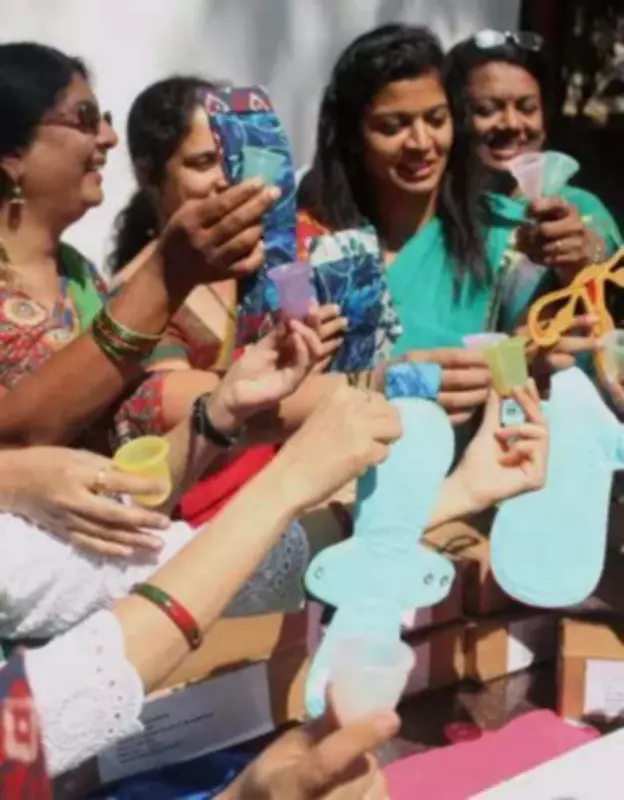
Bhubaneswar: In an effort to foster open and inclusive discussions on menstrual health, Unicef and Aaina jointly organized 'Creative Voices for Menstrual Rights and Dignity' on Wednesday as part of the global menstrual health and hygiene day 2026 observance. The event brought together artists, filmmakers, and storytellers to explore how creativity and culture can help dismantle stigma and normalize conversations around menstruation.
Key Highlights from the Event
Prasanta Dash, Chief Field Office, UNICEF Odisha, emphasized that menstruation is closely linked to dignity, confidence, equality, education, and inclusion. He noted that while policies are essential, changing mindsets requires empathy and relatable conversations. 'Artists and creators have the ability to influence society. A song, film, or story can encourage people to speak more openly about menstruation and dignity,' Dash said.
Sneha Mishra, Secretary of Aaina, added that menstrual health should be viewed not only from a hygiene perspective but also as a rights issue connected to equality, inclusion, and freedom. The event underscored the power of creative mediums in driving social change.

The Role of Art and Storytelling
Participants discussed how films, music, and narratives can break taboos and foster a culture of openness. By leveraging the emotional impact of art, the initiative aims to reach communities and spark conversations that lead to greater awareness and acceptance. The collaboration between Unicef and Aaina highlights the importance of multi-sectoral approaches to address deeply ingrained social norms.
This event is part of a broader global campaign to prioritize menstrual health as a fundamental aspect of gender equality and human rights. Through such creative platforms, organizers hope to inspire action and policy support for menstrual dignity worldwide.