

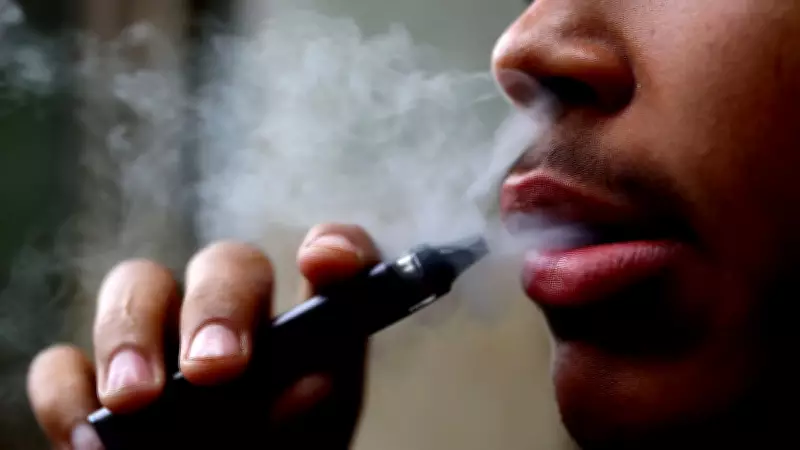
India's prohibition on e-cigarettes, enacted in 2019, has struggled with enforcement, allowing vaping products to remain widely accessible. A recent investigation reveals that e-cigarettes are easily purchased online and in physical stores, undermining the ban's intent. The law, which prohibits the production, sale, and import of e-cigarettes, has failed to curb their availability, particularly among youth.
Enforcement Gaps
The primary issue lies in weak enforcement mechanisms. Regulatory authorities have not effectively monitored e-commerce platforms or brick-and-mortar retailers. Many sellers operate with impunity, exploiting loopholes in the law. For instance, products are often marketed as 'nicotine-free' or 'herbal' to evade scrutiny, though they may contain nicotine. This lack of oversight has led to a thriving black market.
Health Concerns
Health experts warn that unregulated vaping poses significant risks. E-cigarettes often contain harmful chemicals and nicotine, which can lead to addiction and respiratory issues. Young people are particularly vulnerable, as flavored products appeal to them. The World Health Organization has urged stricter controls, but India's current approach has proven insufficient.

Need for Stricter Measures
To address these enforcement failures, experts recommend several actions:
- Enhanced monitoring: Regular inspections of online marketplaces and retail outlets.
- Stricter penalties: Higher fines and imprisonment for violators.
- Public awareness: Campaigns to educate about the dangers of vaping.
- Inter-agency coordination: Collaboration between health, law enforcement, and IT departments.
Global Context
Other countries have adopted more effective strategies. For example, Australia requires a prescription for nicotine vaping products, while the UK regulates them as medicines. India could learn from these models to strengthen its ban.
In conclusion, India's vaping ban is well-intentioned but poorly enforced. Without significant improvements, the law will continue to fail in protecting public health, especially among the youth. Policymakers must act swiftly to close enforcement gaps and ensure the ban's effectiveness.






