

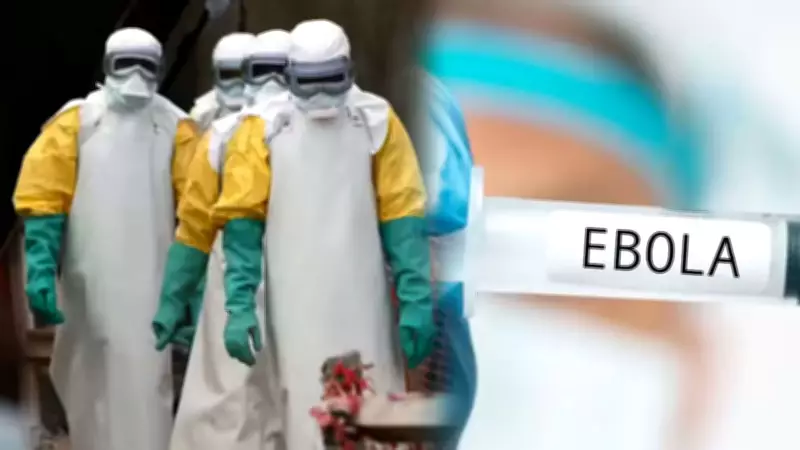
The World Health Organization (WHO) has declared the ongoing Ebola outbreak in the Democratic Republic of Congo and Uganda a global public health emergency. This decision comes after the rare Bundibugyo strain of the virus has killed dozens and infected hundreds of people. Unlike the more common Zaire strain, there is currently no approved vaccine available for this variant, raising concerns among health authorities that the outbreak could spread further across borders.
What Makes This Ebola Wave Different?
The Bundibugyo strain was first identified in 2007 in Uganda and has caused sporadic outbreaks since then. However, the current outbreak is particularly concerning due to its rapid spread and high mortality rate. The lack of a specific vaccine or treatment for this strain means that containment relies heavily on public health measures such as contact tracing, isolation, and safe burial practices. The WHO's declaration of a Public Health Emergency of International Concern (PHEIC) aims to mobilize international resources and coordination to combat the spread.
How the Virus Spreads
Ebola virus disease is transmitted to humans from wild animals and spreads through human-to-human contact via direct contact with bodily fluids of infected individuals or contaminated surfaces. Symptoms include fever, severe headache, muscle pain, weakness, fatigue, diarrhea, vomiting, and unexplained hemorrhage. The incubation period ranges from 2 to 21 days, making early detection challenging.

Should India Be Concerned?
India, with its high population density and frequent international travel, is at risk of imported cases. However, the country has experience in handling outbreaks such as Nipah and COVID-19. The Indian government has enhanced surveillance at airports and ports, especially for travelers from affected regions. The Ministry of Health has issued guidelines for screening and isolation, and designated hospitals are equipped to handle suspected cases. Nevertheless, the absence of a vaccine for the Bundibugyo strain underscores the need for robust public health infrastructure and rapid response capabilities.
In conclusion, while the risk of a widespread outbreak in India remains low, the WHO's declaration serves as a reminder of the importance of global health security and preparedness. Continued vigilance and investment in healthcare systems are essential to mitigate potential threats.






