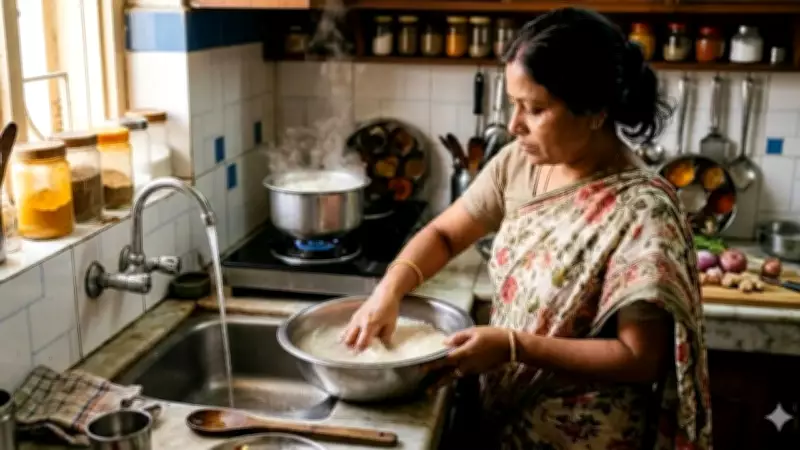
Rice has a habit of exposing small mistakes. It sits at the centre of countless meals and still manages to go wrong in quiet, irritating ways — too soft around the edges, dry in the middle, or clumped together for no obvious reason. People often blame the rice itself, though the problem usually begins with routine habits repeated without much attention.
Cooking rice looks uncomplicated from a distance: water, heat, a lid. Yet different grains react differently, and small details change the outcome more than expected. The pan matters. Timing matters. So does patience, which is partly why rushed rice rarely turns out well. Most kitchen mistakes around rice are not dramatic enough to ruin dinner entirely. They simply leave the texture feeling slightly off, which is often harder to fix afterwards.
6 Everyday Rice Cooking Mistakes That Can Ruin Texture Without You Realising
1. Guessing the Water Instead of Measuring It
Many people stop measuring water once they feel familiar with cooking rice, but rough estimates tend to create inconsistent results. Some days the rice turns heavy and sticky, while on others it stays firm in the centre even after extra cooking time.

Part of the confusion comes from assuming all rice behaves the same way. Long-grain varieties usually stay separate when cooked properly, whereas shorter grains absorb moisture differently and soften faster. Brown rice also needs more liquid and more time than white rice. Using one fixed ratio for everything often works poorly, even if it worked the previous night.
2. Leaving the Starch on the Grains
Rice carries loose starch on its surface, and that coating changes texture during cooking. When the grains are not rinsed, the starch thickens in the pot as the water heats up, which can leave the rice overly sticky or dense.
A quick rinse under cold water is usually enough for ordinary steamed rice. It does not need endless washing until the water becomes perfectly transparent. The goal is simply to remove excess starch rather than scrub the rice completely clean. Certain dishes deliberately rely on that starch, but plain everyday rice tends to cook more evenly once some of it is washed away.
3. Turning the Heat Too High
People often try to speed things up by keeping the flame strong throughout cooking. The water boils rapidly at first, though the rice underneath starts catching at the base before the grains above have softened properly.
Lower heat usually produces steadier cooking. Once the water reaches a boil, rice benefits from gentler simmering with the lid closed. Fast bubbling may look productive, but it often dries the pot too early and leaves an uneven texture behind. Thin saucepans make this even worse because they heat sharply across the bottom surface.
4. Constantly Checking the Pot
Rice does not respond well to interference. Lifting the lid every few minutes releases trapped steam that the grains still need to finish cooking evenly. Stirring midway through the process can also break softer grains and make the final texture heavier.
This tends to happen because rice appears inactive while cooking. There is little movement once the heat is lowered, so people assume something needs adjusting. In reality, most rice cooks better when left undisturbed for the majority of the process.
5. Using the Wrong Kind of Pan
The pot itself changes how rice cooks. Lightweight pans heat unevenly and often create hot spots around the base, especially on gas stoves. That can lead to burnt rice underneath while the top layer remains undercooked.
A tighter lid also matters more than people expect. Steam escaping constantly from the sides affects both texture and cooking time. Heavier pans generally hold heat more steadily, which helps the rice absorb water at a more even pace instead of drying unpredictably.
6. Serving It Too Quickly
Rice continues settling for several minutes after the heat is switched off. Scooping it out immediately can make it seem wetter than it really is because steam is still trapped between the grains.
Letting the pot rest briefly before fluffing changes the texture noticeably. The grains separate more easily, and excess moisture redistributes itself rather than collecting near the bottom. It is a small step, though one that often makes rice feel calmer and lighter on the plate.