

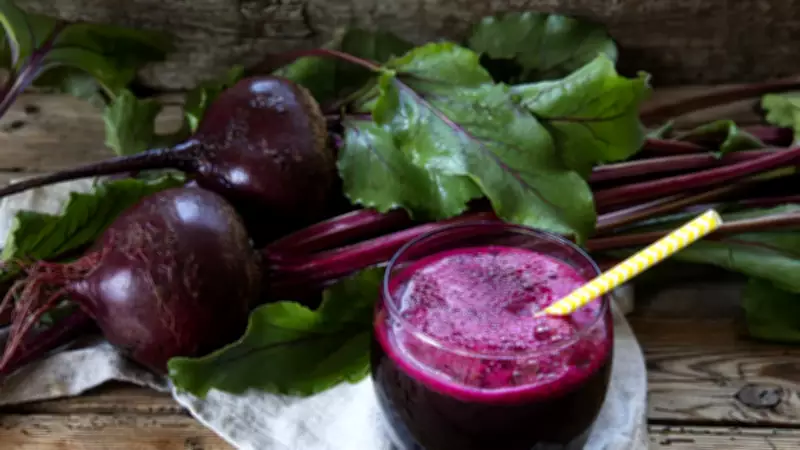
Beetroot, packed with nitrates, fibre and folate, has been linked to improved heart health, better stamina and healthier digestion. But experts say it may not be for everyone. Beetroot may not be the most on-trend superfood but it is one of the most nutrient-rich vegetables out there. It can be found in everything from salads and juices to traditional Indian food and researchers are increasingly interested in the deep red root vegetable for its potential health benefits.
Natural Nitrates That Support Better Blood Circulation
Nutritional information shows 100 grams of beetroot contains just 43 or so calories, nearly 3 grams of fibre, and good levels of folate, potassium and manganese. What makes beetroot especially interesting, however, is its high concentration of natural nitrates. “When we eat beetroot, these nitrates are converted into nitric oxide in the body, which helps blood vessels relax and improve circulation,” says Dr Mahendra Singh Rajput, Assistant Professor, Gastroenterology & Hepatology, Amrita Hospital, Faridabad. “There has always been a link between beetroot and heart health and that is one of the reasons why.”
How Beetroot May Help Lower Blood Pressure
Research published in the journal Hypertension has suggested that drinking beetroot juice on a regular basis may lead to modest reductions in blood pressure, especially in those with hypertension. The increased blood flow can also help your heart over time by reducing the strain on your blood vessels.

Why Athletes Turn to Beetroot for Better Stamina
But that’s not all the benefits. Beetroot is popular with endurance athletes because dietary nitrates might aid muscles in becoming more efficient at using oxygen. Studies have shown that regular consumption of beetroot can boost exercise performance and endurance.
A Fibre-Rich Food That Supports Gut Health
The fibre content also helps digestive health as it encourages regular bowel movements and feeds good gut bacteria. In the meantime, the beetroot’s distinct colour comes from compounds called betalains, which have antioxidant and anti-inflammatory properties that may help protect cells from oxidative stress. New research even suggests that foods high in nitrate, such as beetroot may improve blood flow to some areas of the brain, potentially helping with cognitive functioning as we age.
Antioxidants in Beetroot May Help Protect Cells
Beetroot has lots of benefits but it’s not for everyone. It is high in oxalate content so those with a history of calcium oxalate stones should take it in moderation. Those who are already prone to low blood pressure, or who take blood pressure medication, should also not take too much.
Can Beetroot Benefit Brain Health as We Age?
“Beetroot is certainly good for you but no one food can substitute a healthy diet overall,” says Dr Rajput. “The real benefit is when it is part of a balanced eating pattern that includes a variety of fruits, vegetables and whole foods.” For most people, adding beetroot to the plate a few times a week may be one of the easiest ways to boost nutrition and support long-term health.






