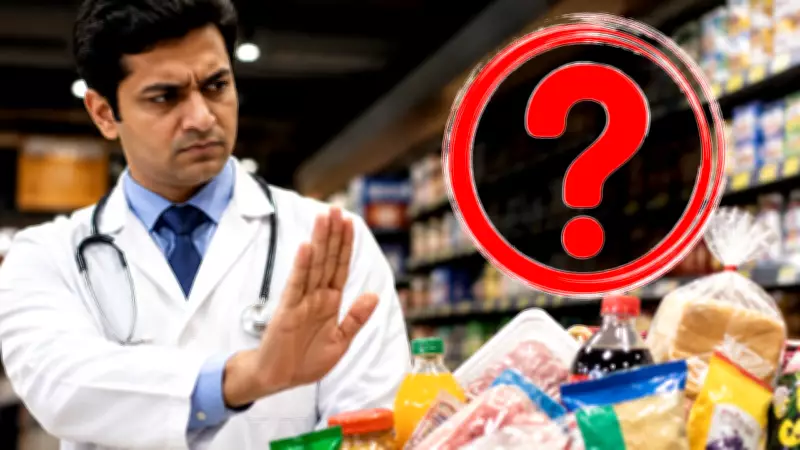
8 Foods Doctors Quietly Avoid Buying from Supermarkets
Walk through a supermarket with a doctor, and the cart often tells a very different story from the aisle labels. The foods many clinicians skip are not mysterious wellness imports or expensive health fads. They are usually the highly processed, high-sugar, high-sodium, or higher-risk items that make life easy in the short term and less friendly to the body over time. Public health guidance from the FDA and American Heart Association keeps pointing to the same pressure points: added sugar, sodium, ultra-processed foods, and food-safety risks that can hide in plain sight. Scroll down for 8 foods doctors quietly avoid buying from supermarkets.
1. Sugary Drinks
Many doctors treat soda, sweetened iced tea, bottled fruit drinks, and energy drinks as the first thing to leave behind, not because they are dramatic, but because they are so easy to overconsume. Studies say frequent sugary-drink intake is linked with negative health consequences, and guidance to “rethink your drink” ties regular consumption to weight gain, type 2 diabetes, heart disease, cavities, and gout. The American Heart Association also notes that sugar-sweetened beverages are a major source of added sugar.
2. Deli Meats and Cold Cuts
Deli slices feel convenient, but they are one of the supermarket staples many doctors are wary of, especially when eaten cold and often. Studies say deli meats, cold cuts, hot dogs, and similar ready-to-eat meats can be contaminated with Listeria, and refrigeration does not kill it. The same guidance says pregnant people, older adults, and those with weakened immunity should avoid deli meat or reheat it until steaming hot. Beyond food safety, the study also flags cold cuts and cured meats as major sodium contributors in the diet.

3. Frozen Pizzas and Boxed Meals
Frozen pizza and many boxed meals live in the part of the store where convenience does most of the talking. That is exactly why doctors tend to keep a hand off the shelf. The American Heart Association says highly processed foods can load diets with sodium, added sugars, and unhealthy fats, and it specifically names foods like frozen pizzas and boxed pasta meals among common ultra-processed items to limit. The study similarly advises avoiding highly processed foods high in sodium and notes that pizza is one of the common high-sodium processed foods.
4. Instant Noodles and Cup Soups
Few supermarket shortcuts are as tempting as instant noodles or a cup of soup, but they are often a sodium trap in a small package. The study says most people already consume too much sodium, far above the recommended limit of 2,300 mg a day for teens and adults, and it recommends choosing lower-sodium packaged foods when available. The AHA likewise warns that most sodium comes from packaged and processed foods rather than the salt shaker. For doctors thinking about blood pressure, this category is an easy pass.
5. Chips and Savory Snacks
Potato chips, namkeen-style snack mixes, crackers, and other salty munchies are another aisle where doctors often read the label and keep moving. The studies’ sodium data show that savory snacks are among the major food categories contributing to sodium intake, and more than 70% of sodium from many of those categories comes from store-bought foods. That makes “just a handful” a little less innocent than it sounds.
6. Packaged Cookies, Pastries, and Sweet Snacks
Doctors are usually not anti-dessert. They are anti-dessert-as-everyday-habit. The FDA requires “added sugars” to be listed on the Nutrition Facts label, and its examples make clear that products like sweetened yogurts can quietly carry a meaningful sugar load. The AHA recommends limiting added sugars to no more than 6% of daily calories, while also noting that desserts and sweet snacks are major sources of added sugar in typical diets. That is why many doctors skip the bakery case unless the occasion really earns it.

7. Flavored Yogurt with a Dessert-Level Sugar Hit
Plain yogurt has a very different reputation from fruit-on-the-bottom cups, drinkable yogurts, and “light” desserts posing as breakfast. The FDA’s labeling guidance even uses yogurt with added sweeteners as an example of how added sugars appear on the label. That matters because many people buy yogurt thinking they are buying health, when they are sometimes buying a sugar vehicle with a spoon. Doctors often choose plain yogurt and add fruit themselves, because that gives them the protein and calcium without the sugar surprise.
8. Raw Sprouts and Raw Milk Products
This is where the issue shifts from nutrition to safety. The FDA says there is a serious history of outbreaks linked to raw and lightly cooked sprouts, which is why many clinicians avoid them unless they are cooked. The CDC also recommends against raw milk and dairy products made from it, noting that they can expose people to germs such as Campylobacter, E. coli, Listeria, Brucella, and Salmonella. Soft cheeses made from unpasteurized milk fall into the same caution zone.