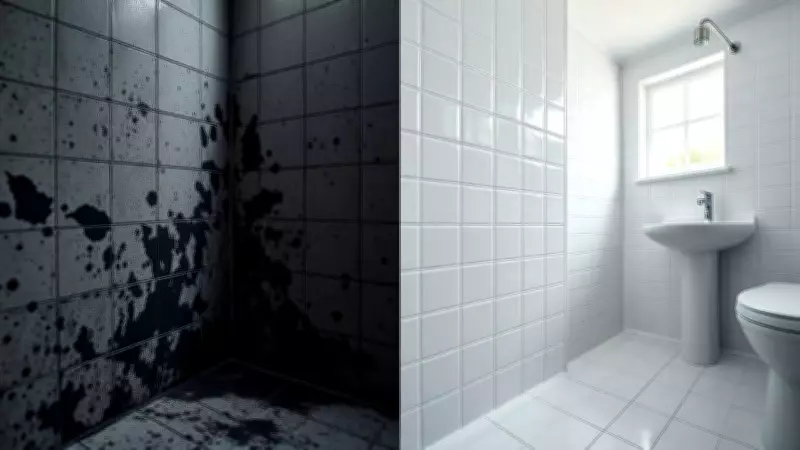
The Hidden Dangers of Bathroom Mold and How to Eliminate It
Entering a bathroom that feels like a humid rainforest after a hot shower might seem refreshing initially, but the lingering moisture often brings an unwelcome guest that stubbornly refuses to leave. Many homeowners have encountered those unsightly blackish discolored patches that gradually spread across grouting lines and ceiling corners. While people frequently attempt to scrub away these stains using powerful disinfectants, this approach rarely addresses the root cause of the problem.
More Than Just an Eyesore: Health Implications of Household Mold
Beyond its unpleasant appearance, mold functions as a persistent parasite that thrives in moist environments like bathrooms. When sufficient moisture accumulates in poorly ventilated spaces, these areas become ideal breeding grounds for fungal spores. This issue extends far beyond mere aesthetics, as scientific research has linked household mold exposure to respiratory irritations and aggravated asthma symptoms. Protecting your home from mold requires a comprehensive strategy that goes beyond simple fungus elimination.
Moisture Management: The Key to Mold Prevention
One of the most effective approaches to mold control involves eliminating the substance mold depends on for survival: moisture. While opening windows and using exhaust fans can help, these methods often prove insufficient in humid or coastal regions where outdoor moisture levels match indoor conditions. In such environments, moisture-absorbing devices become essential tools for maintaining a healthy bathroom environment.

A comprehensive analysis published in the scientific journal Frontiers in Public Health examines how people respond to mold growth issues. The research demonstrates that mold represents an increasingly complex environmental and societal problem that cannot be solved with quick fixes. This finding underscores the importance of implementing multiple layers of action that directly address moisture while maintaining cleanliness standards.
For small, crowded bathrooms, installing effective moisture absorbers provides continuous protection against mold development. This approach proves particularly valuable for residents of older buildings with inadequate natural ventilation. Rather than relying on building ventilation systems, homeowners should actively control their indoor microclimate. Reducing moisture and humidity levels not only prevents mold growth but also protects drywall from damage and prevents towels and curtains from developing that characteristic old-bathroom odor.
Safe Cleaning Practices and Essential Protective Measures
When confronting mold, many people instinctively reach for the strongest chlorine bleach available and begin vigorous scrubbing. However, proper cleaning methodology proves just as important as the cleaning solution itself. Mold spores are lightweight and can become airborne when disturbed by aggressive scrubbing, potentially spreading contamination throughout your home.
According to a research paper titled Mold clean-up practices vary by sociodemographic and allergy factors, using protective gear represents a critical but frequently overlooked step in the cleaning process. The study revealed that while approximately 76 percent of people remember to wear gloves, many neglect to use masks or respirators. This oversight carries significant consequences, as the combination of airborne mold spores and fumes from strong cleaning agents like bleach can severely irritate the lungs. Utilizing proper personal protective equipment ensures that while you eliminate mold colonies, you don't compromise your respiratory health in the process.
Creating a Consistent Mold Prevention Strategy
Transforming your bathroom from a moist, potentially dangerous environment to a fresh, inviting space requires consistent effort. Begin by placing moisture absorbers in low-ventilation areas such as behind bathroom doors or in corners where moisture tends to accumulate. Next, establish a regular cleaning routine that includes frequent surface wiping with efficient, safe cleaners while maintaining proper hand and respiratory protection. By consistently implementing moisture elimination practices in your bathroom, you'll likely experience improved air quality throughout your entire home.