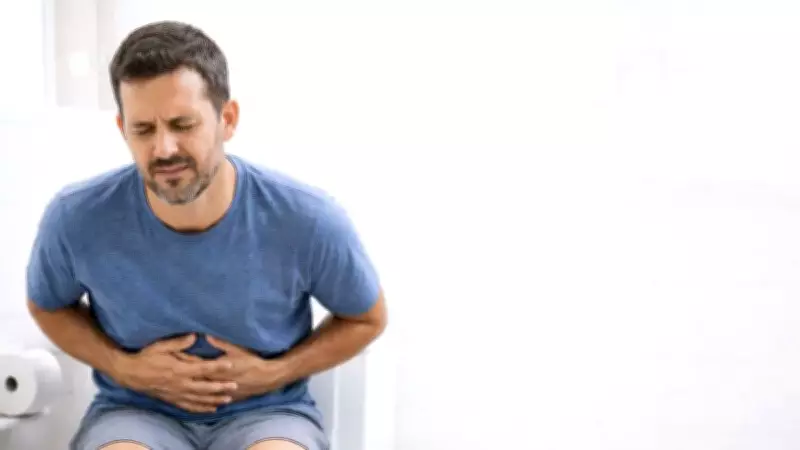
Understanding the Gastrocolic Reflex: Why You Poop Right After Eating
Have you ever wondered why you feel the urge to poop shortly after finishing a meal? This common phenomenon is known as the gastrocolic reflex, a natural and normal bodily response that plays a crucial role in digestion. While it might seem inconvenient or surprising, understanding this reflex can help you appreciate how your body efficiently processes food.
What Is the Gastrocolic Reflex?
The gastrocolic reflex is an automatic response of your digestive system. When you eat, your stomach stretches as it fills with food. This stretching sends signals to your colon, prompting it to contract and move stool along. Essentially, it's your body's way of making room for new food by clearing out old waste. This reflex is most active in the morning or after your first meal of the day, but it can occur after any eating session.
Causes and Mechanisms
Several factors trigger the gastrocolic reflex. The primary cause is the physical stretching of the stomach, which activates nerve pathways. Hormonal changes, such as the release of gastrin and cholecystokinin during digestion, also contribute. Additionally, the type of food you consume can influence the reflex. For example, high-fat or spicy foods may intensify it, leading to more urgent bowel movements.

- Stomach stretching initiates nerve signals to the colon.
- Hormones released during digestion enhance colon contractions.
- Dietary choices, like fatty or spicy meals, can amplify the reflex.
When Is It Normal vs. a Problem?
In most cases, the gastrocolic reflex is a healthy sign that your digestive system is functioning properly. It's particularly common in infants and young children, as their bodies are still developing efficient digestion. However, if you experience symptoms like severe pain, diarrhea, or urgency that disrupts daily life, it might indicate an underlying issue.
Conditions such as irritable bowel syndrome (IBS), inflammatory bowel disease (IBD), or food intolerances can exaggerate the reflex, leading to discomfort. If you notice persistent problems, consulting a healthcare professional is advisable to rule out any serious disorders.
Tips for Managing the Gastrocolic Reflex
If the gastrocolic reflex causes inconvenience, there are ways to manage it. Eating smaller, more frequent meals can reduce stomach stretching and lessen the urge. Avoiding trigger foods, such as those high in fat or spice, may also help. Staying hydrated and incorporating fiber-rich foods into your diet can promote regular bowel movements without excessive urgency.
- Eat smaller portions to minimize stomach expansion.
- Identify and avoid foods that trigger strong reflexes.
- Maintain a balanced diet with adequate fiber and water intake.
- Practice stress-reduction techniques, as anxiety can affect digestion.
Conclusion
The gastrocolic reflex is a natural part of human digestion, designed to keep your system running smoothly. While it's usually harmless, being aware of your body's signals can help you distinguish between normal function and potential health concerns. By making mindful dietary choices and seeking medical advice when needed, you can support your digestive health effectively.