Standing in the skincare aisle can feel incredibly overwhelming. You are staring at dozens of shelves, trying to decode the difference between a bouncy, translucent gel and a thick, luxurious jar of cream. Both claim to give you that coveted, lit-from-within glow. Both promise intense hydration. But grab the wrong one, and you might end up with either an oil slick on your forehead or flaky, tight skin by lunchtime. So, how do you choose? It turns out the answer isn't about which product is objectively better. It is about understanding what your skin barrier is actually begging for. Here is the lowdown on the great gel versus cream debate, stripped of all the confusing marketing jargon.
It All Comes Down to Water vs. Oil
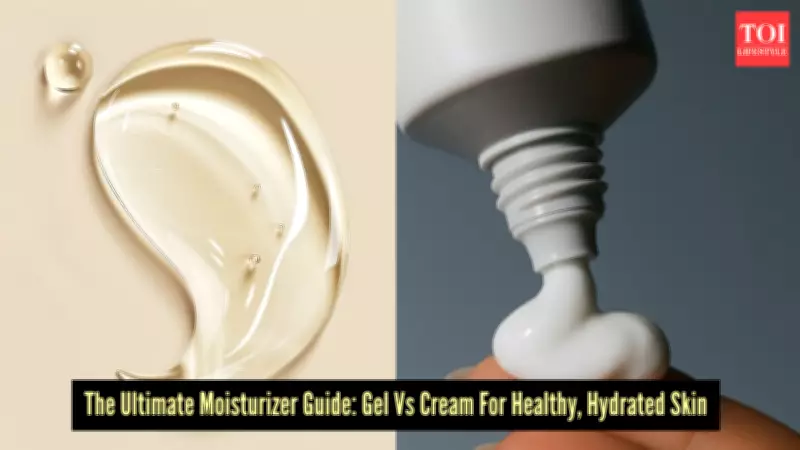
At a fundamental level, the debate boils down to a basic chemistry lesson: water versus oil. How these products interact with your skin depends entirely on their base formulation. Think of hydrating gels as a quick splash of water for a thirsty face. They are aqueous (water-based) and usually entirely oil-free. On the flip side, hydrating creams are emulsions of water and oil. They feature a much higher lipid (fat) content, making them feel intrinsically different the moment they touch your skin. One injects moisture; the other locks it in.
Gels: The Lightweight Quencher
If your skin easily feels bogged down by heavy products, a hydrating gel is about to be your best friend. Gels are jelly-like, translucent, and incredibly fast-absorbing. Because they are packed with high concentrations of humectants—think hyaluronic acid, glycerin, and soothing aloe vera—they work by pulling water directly into the skin cells. They leave behind a cooling, fresh, matte, or slightly dewy finish without a single trace of greasy residue.

Best suited for: Oily, acne-prone, and combination skin types. They are also absolute lifesavers during hot, humid summer months when the last thing you want is a heavy layer on your face. Because gels lack heavy waxes or rich oils, they provide essential hydration without clogging pores or triggering breakouts.
Creams: The Heavy-Duty Barrier Builders
Dry, tight, or flaky skin requires a completely different strategy. Enter the hydrating cream. Creams are thicker, opaque, and buttery. Creams don't just dump water onto your face; they are actually built to repair and guard your skin. Thanks to heavy-hitting ingredients—think ceramides, squalane, shea butter, and dimethicone—they do a lot of the heavy lifting. Smoothing one on literally leaves this soft, protective shield behind that you can actually feel. This layer does something critical: it prevents transepidermal water loss (TEWL). Essentially, it acts as a physical blanket that stops your skin’s natural moisture from evaporating into thin air. It is an indulgent, restorative experience that deeply nurtures a compromised skin barrier.
Best suited for: Dry, dehydrated, sensitive, and mature skin. Creams are also non-negotiable during harsh, dry winters or if you spend hours in moisture-sapping air-conditioned rooms.
The Verdict: How to Script Your Routine
So, which one wins? Neither. The secret to flawless skin is knowing how to play them against each other based on your environment and lifestyle. Skincare shouldn't be static. If you have oily skin, stick to a gel to keep congestion at bay. If you have mature or dry skin, a rich cream is essential to compensate for the natural loss of lipids that happens as we age. But you can also mix and match.
A 2016 study published in the British Journal of Dermatology compared a moisturizing gel and a moisturizing cream over four weeks, examining the effect of emollients on the structure and function of the skin barrier. Many people prefer a seasonal swap—using a lightweight gel during the sweaty summer months and upgrading to a rich cream when winter dryness hits. Alternatively, try a day-and-night split. Apply a fast-absorbing gel in the morning so your makeup sits smoothly without slipping, and slather on a thick, nourishing cream at night to let it do the heavy lifting while you sleep. Listen to your skin—it will tell you exactly what it needs.