There is something timeless about the fragrance of jasmine in a home. Whether it is growing near a balcony railing, beside a gate, or in a small terrace garden, jasmine instantly changes the mood of a space. Its soft white flowers and sweet scent are deeply connected with festivals, evening prayers, and even daily routines. Many people grow jasmine, thinking it will bloom endlessly, but after a few flowers, the plant often slows down or stops blooming completely. The reason is usually not the weather, but the way the plant is cared for.
Indian weather is actually very suitable for many jasmine varieties, especially Mogra and Arabian jasmine. With the right sunlight, watering pattern, pruning, and feeding, jasmine can continue flowering for most of the year in warm regions. It is also one of the easiest flowering plants to grow in pots, making it perfect for balconies and compact urban homes. Here are some tips to keep your jasmine healthy, green, and blooming beautifully throughout the year:
Disclaimer: These tips are meant for general home gardening guidance and may not give the same results in every region. Jasmine growth and flowering may vary depending on weather, soil quality, sunlight, and plant care. Always avoid overwatering or overusing fertilisers, as this can harm the plant.

Choose the Right Jasmine Variety
Not every jasmine variety blooms equally in Indian weather, so choosing the right one is important. Jasminum sambac, commonly called Mogra, is one of the best choices for year-round flowering in warm Indian climates. It handles heat and humidity well and grows beautifully in pots or garden soil. Avoid weak or overcrowded plants because they often struggle to bloom regularly after transplanting into a new pot or garden space.
Give Enough Sunlight Every Day
Jasmine needs plenty of sunlight to keep producing flowers throughout the year. Most varieties grow best with at least 4–6 hours of direct sunlight daily, especially gentle morning sun. Balconies, terraces, and sunny windows are ideal spots for this. Good airflow around the plant also helps prevent fungal problems and supports stronger, healthier flowering during humid weather conditions.
Use Well-Draining Soil and Balanced Watering
Jasmine grows best in loose, well-draining soil that holds some moisture without becoming soggy. A simple mix of garden soil, compost, and sand works well for most homes. Overwatering is one of the biggest reasons jasmine plants stop flowering or develop yellow leaves. Water only when the top inch of soil feels dry, and ensure the pot has drainage holes to prevent waterlogging.
Prune Regularly for More Flowers
Pruning is one of the easiest ways to encourage jasmine to flower continuously. Jasmine blooms mostly on fresh new growth, so trimming old or weak branches helps the plant produce more buds. Remove dry stems, faded flowers, and overcrowded growth every few weeks to improve airflow and sunlight inside the plant. Regular pruning also helps maintain a compact shape and prevents the plant from becoming leggy.
Add Fertiliser and Protect It from Pests
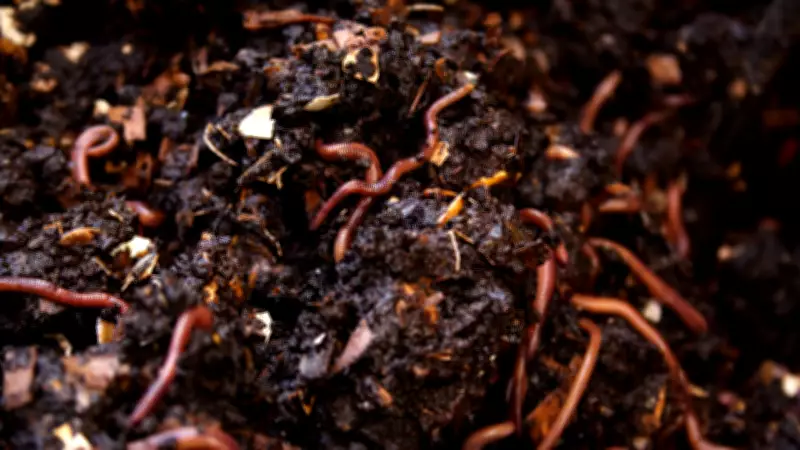
Regular feeding helps jasmine stay healthy and bloom more often. Organic compost, vermicompost, or phosphorus-rich fertilisers can improve flowering naturally. Avoid using too much nitrogen because it encourages leaf growth instead of flowers. Feeding once every month during the growing season is usually enough. Jasmine plants can sometimes attract aphids, whiteflies, or fungal problems, especially during humid weather. Spraying diluted neem oil and maintaining good airflow around the plant can help prevent pests.