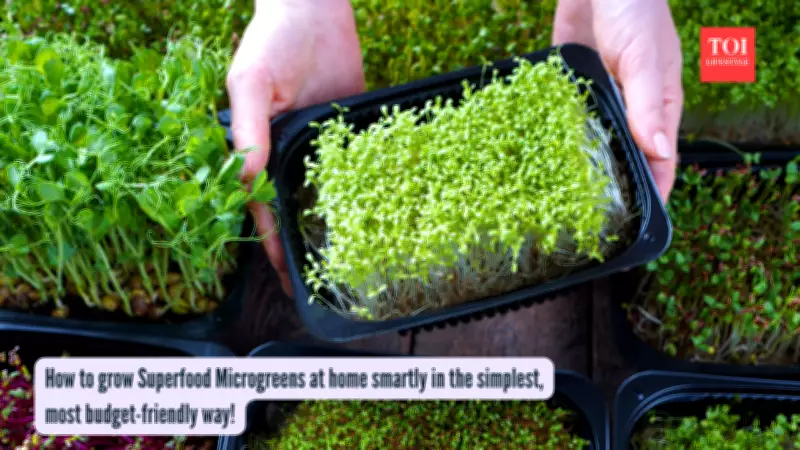
Grow Your Own Superfood Microgreens at Home for Almost Nothing
Superfoods often come with lofty health promises, but store-bought versions can be expensive and raise doubts about their organic purity. What if you could bypass the high costs and cultivate your own nutrient-dense greens using simple items from your kitchen, all at a nearly negligible expense? Home gardening offers a delightful solution, transforming everyday scraps into fresh, vibrant food that nourishes both body and mind.
Microgreens: The Ultimate Kitchen Superfood
Microgreens are tender seedlings harvested just after their first true leaves develop, packing an astonishing nutritional punch. Research indicates they contain 4 to 40 times more vitamins and minerals than their mature plant counterparts, serving as powerful antioxidants that combat cellular damage. These tiny greens are rich in essential nutrients like vitamins A, C, E, K, folate, iron, potassium, magnesium, and zinc, all in a form that's easily absorbed by the body.
Simple Steps to Grow Microgreens at Home
Forget about pricey gardening kits—your kitchen holds everything you need. Start with a tablespoon of fresh seeds, such as chia seeds from your spice cabinet. Soak the chia seeds overnight in water until they are fully saturated. Next, take 5-6 tissue papers, unfold and layer them, or use a dampened kitchen roll placed in a shallow container.

After this, spread the soaked seeds evenly over the damp cloth or paper, then lightly spray them with water. Cover the box and store it in a dark area for 24 to 36 hours. The following day, move the box to a well-lit spot. Continue by spraying water daily and gently rotating the seeds on the tissue paper until sprouts emerge.
Why Chia Seed Microgreens Are Exceptionally Easy to Grow
Chia seeds are an excellent choice for beginners because they are rich in omega-3 fatty acids and thrive effortlessly on cotton beds due to their sticky, gel-like texture when wet. These microgreens not only enhance immunity but also help fill nutritional gaps in a sustainable way. According to Shobhit University, microgreens require significantly less water and space compared to traditional crops, making them perfect for Indian households with limited room.
Common Mistakes to Avoid When Growing Microgreens
To ensure success, always use fresh seeds to prevent poor germination, and rotate your crops weekly to maintain a steady supply. Avoid planting seeds from plants like potato, chili, or brinjal, as they are not suitable for microgreen cultivation. Regular harvesting encourages regrowth, keeping your greens productive. This practical hack not only saves money but also fosters an enjoyable, eco-friendly habit that connects you to your food source.