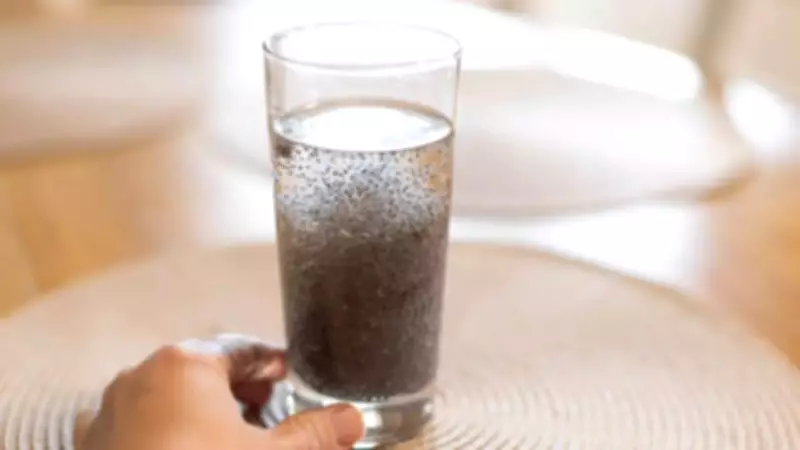
Everyone is talking about chia seeds of late. These tiny black seeds are being sprinkled on smoothie bowls, mixed into overnight oats, and added to everything from smoothies to salads. Wellness gurus, gym rats, and health influencers are raving about them. Chia seeds are superfoods rich in fibre, omega-3 fatty acids, and antioxidants. They are incredibly good for your gut and overall health. But here is the thing: most people are eating them completely wrong.
What a Harvard-Trained Doctor Wants You to Know
Dr Saurabh Sethi, a gastroenterologist trained at Stanford and Harvard, has shared a clinical breakdown of how to unlock the benefits of chia seeds without the side effects. “After 25,000+ endoscopies, I have seen firsthand who benefits from chia seeds – and who does not,” he said in a recent newsletter. Here are some dos and don’ts you should follow.
DO: Soak Them Before Eating
Most people make the common mistake of eating chia seeds dry. These seeds absorb water up to 10 times their weight. So, if you swallow them dry, they will expand in your gut. This can upset your digestive system and, in some cases, turn into a medical emergency. According to Dr Sethi, eating dry chia seeds “can cause bloating, constipation, and in rare cases, oesophageal obstruction.” He adds, “Soaked chia seeds are safer, better tolerated, and more effective at forming the gel that slows glucose absorption.” Soak one tablespoon of chia seeds in three to four tablespoons of water for at least 20 minutes.

DO: Drink Significantly More Water When You Add Chia Seeds
Without adequate hydration, even chia seeds can backfire. “The same gel-forming property that makes chia seeds beneficial can cause constipation if you are not adequately hydrated. The seeds pull water into your gut. If your baseline fluid intake is low, chia seeds can make constipation worse rather than better,” the gastroenterologist explains. When you are having chia seeds, drink at least one full glass of water with every serving. If you already struggle with constipation, it is important to increase your everyday water intake before eating chia seeds.
DON’T: Start with a Full Serving
Chia seeds are incredible superfoods. But that does not mean you should overdo them. According to Dr Sethi, two tablespoons of chia seeds deliver nearly 10 g of fibre. “For anyone eating less than 15 g of fibre per day – which is most people – that is a significant jump,” he adds. When you eat too much fibre, it can lead to gas, bloating, and cramping. The doctor suggests starting with 1 teaspoon per day, then increasing by 1 teaspoon per week until you reach 1–2 tablespoons daily.
DON’T: Rely on Them If You Are on Blood Thinners
Chia seeds are great for your gut, but if you are on blood thinners, you may want to avoid them. “Chia seeds are high in omega-3 ALA, which has mild blood-thinning properties. For most people, this is beneficial. For anyone on warfarin or other anticoagulants, regular high-dose chia consumption can affect clotting. This is one I flag consistently in the clinic,” he explains. Dr Sethi suggests that you speak with your doctor if you are on blood thinners before adding chia seeds to your diet. “One teaspoon occasionally is unlikely to cause issues – daily tablespoon doses are a different matter,” he says.
The takeaway? Chia seeds can be an excellent addition to your diet, but only if you use them correctly.