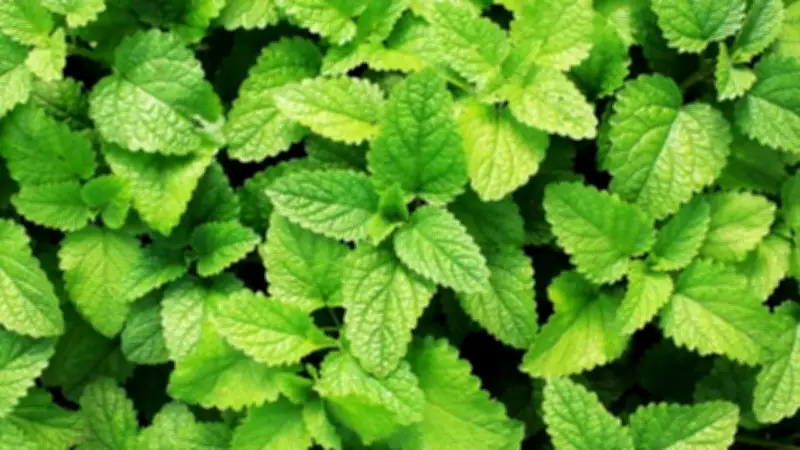
Pudina, also known as mint, is one of the simplest herbs to cultivate at home. The best part is that you don't need seeds or nursery plants to get started. A handful of mint from your local vegetable market or supermarket is all it takes to produce fresh mint leaves endlessly. With the right stems, a bit of patience, and some basic cultivation knowledge, anyone can easily grow mint in containers, balconies, window sills, or terrace gardens.
Take Healthy Mint Cuttings or Saplings
The simplest method of growing mint is using stem cuttings or nursery-bought saplings. Choose fresh, healthy stems that are green and free from disease or insect damage. Cuttings of 10–15 cm in length usually root quickly in water. After a week or two, small white roots should appear. Starting with healthy plant material gives you a vigorous plant that will yield abundant leaves.
Select Suitable Containers
It is better to cultivate mint in containers because of its fast growth and spreading nature. The container should be 8–12 inches deep with drainage holes. Containers control the plant's rapid growth and make maintenance easier. Plastic, terracotta, or ceramic pots work well for mint. Larger containers give roots enough space to spread, promoting bushy growth. Proper drainage is crucial because mint prefers moist soil but cannot tolerate waterlogging.

Fill the Containers with Rich, Draining Soil
Pudina grows well in rich soil that retains moisture yet drains easily. A mixture of garden soil, compost, cocopeat, or sand is ideal for container mint. Adding organic compost before planting enriches the soil with nutrients, leading to stronger roots, greener foliage, and faster growth. Since mint is harvested frequently, fertile soil ensures a steady supply of leaves.
Provide Adequate Lighting
Mint thrives in bright light but may not tolerate harsh afternoon sun, especially in hot summers. The best location receives 3–6 hours of morning sunlight followed by partial shade. Balcony gardens, patios, or bright windowsills are suitable spots. Insufficient sunlight results in weak growth, while too much direct sun can burn the leaves. Proper lighting keeps the plant healthy and productive.
Water Regularly but Not Excessively
Mint requires moist soil, so frequent watering is necessary. Check the soil regularly and water when the top layer feels slightly dry. However, avoid overwatering as it can cause root rot and fungal problems. In summer, plants need more frequent watering due to higher evaporation. Mulching the soil surface helps retain moisture and regulate temperature, supporting healthy growth.
Prune the Plant Often
Frequent harvesting and pruning are secrets to a productive mint plant. Pinching off the tops encourages branching and more leaf growth. If flower buds appear, remove them to redirect the plant's energy into leaf production. Regular pruning prevents mint from becoming tall and sparse. With proper care, the plant can provide a constant harvest of fresh leaves for several months while staying compact and healthy.
Harvest and Use Fresh Pudina
Mint leaves can be harvested once the plant is well-developed and has enough foliage. Using clean scissors, cut stems above leaf nodes to stimulate further growth. Freshly harvested mint is great for tea, juices, chutneys, salads, and various recipes. Harvesting actually benefits the plant by encouraging more growth. With proper care, you can enjoy a healthy supply of fresh pudina almost year-round.