Japan's Coffin Meditation Trend: Facing Death to Appreciate Life
In Japan, an unconventional wellness practice is capturing widespread attention due to its extraordinary setting: meditation sessions conducted inside coffins. This innovative experience is designed to help individuals contemplate their lives by engaging with the concept of death in a controlled and symbolic manner. The practice, often referred to as "coffin-lying," involves participants lying inside a coffin for approximately 30 minutes as a form of deep meditation.
Origins and Spread of the Practice
The concept originated as an experimental offering by a funeral home located in Chiba Prefecture. From its humble beginnings, it has rapidly expanded to various locations across Japan, including the bustling metropolis of Tokyo. One prominent venue providing this unique experience is Meiso Kukan Kanoke-in, a meditation space in Tokyo where visitors can participate for about 2,000 yen, equivalent to roughly $13 per session.
The Coffin Meditation Experience
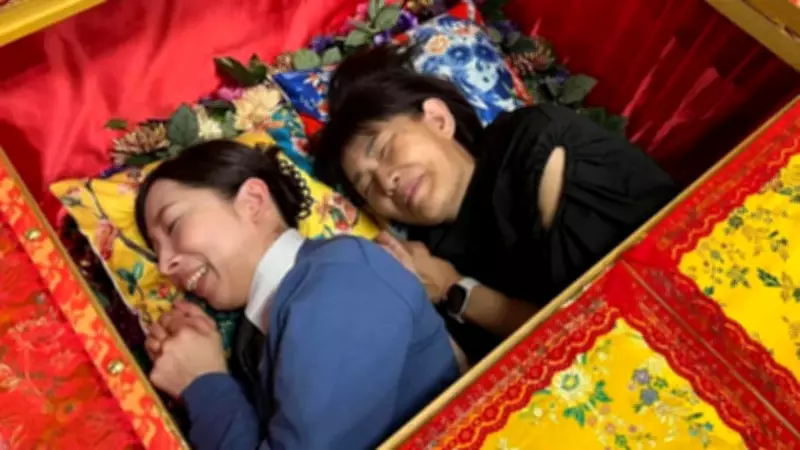
During a session, participants recline in a specially designed meditation coffin while immersing themselves in a serene environment. They may listen to soft, calming music, watch tranquil images projected onto the ceiling, or simply sit in complete silence. A key feature of the experience is the choice between an open or closed coffin, allowing individuals to tailor their comfort level. Notably, these coffins are often brightly colored and artistically decorated, a deliberate design strategy intended to make them feel less intimidating compared to traditional funeral coffins.

Philosophy and Design Behind the Trend
The concept was partly developed by coffin designer Mikako Fuse, who has articulated that the primary goal is to encourage people to perceive death from a different perspective. According to Fuse, the experience aims to demonstrate that death does not have to be viewed solely through a lens of fear. Instead, she believes this meditation can assist participants in recognizing and appreciating the inherent value of life. Fuse has also organized workshops where students lie inside coffins as part of guided reflection exercises, further promoting this introspective practice.
Participant Reactions and Benefits
Some participants have shared their experiences with the Japanese newspaper Mainichi, reporting that the coffin meditation allowed them to reflect deeply on their lives and significantly reduce anxiety levels. Others described it as a powerful tool to "reset" their worries, fostering a stronger desire to live more fully and mindfully. These testimonials highlight the potential emotional and psychological benefits of confronting mortality in a safe, structured setting.
Cultural and Social Context
This trend is partly inspired by long-standing cultural ideas in Japan regarding the intricate relationship between life and death. One frequently mentioned concept is kuyō, a traditional memorial practice that reflects on the fragility of life and honors the deceased. Additionally, the rise of coffin meditation coincides with a period when Japan is grappling with escalating mental health concerns, including high suicide rates among young people. Organizers suggest that this experience is meant to encourage individuals to reconsider harmful thoughts and focus on the importance of living, by "experiencing death" in a secure environment to gain clearer insights into life.
Important Considerations and Safety
It is crucial to note that the coffin meditation experience is not presented as a form of medical treatment. Operators emphasize that participants must be in good physical and mental health and comfortable with enclosed spaces before taking part. Claustrophobia could pose a significant issue, making it essential for individuals to assess their suitability carefully. The practice serves as a contemplative tool rather than a therapeutic intervention, offering a unique opportunity to pause, reflect, and ponder what truly matters in life.