Leftover Rice: A Comprehensive Guide to Health and Safety
Rice is a staple food for billions worldwide, but what happens when you have leftovers? The debate over whether leftover rice is good or bad for you has sparked considerable discussion among health experts and consumers alike. This article delves into the nutritional aspects, potential risks, and best practices for handling leftover rice to ensure it remains a safe and healthy option.
Nutritional Profile of Leftover Rice
When rice is cooked and then cooled, its nutritional composition undergoes some changes. Cooked rice primarily provides carbohydrates, which are a key source of energy. Upon cooling, the starch in rice undergoes a process called retrogradation, where it becomes more resistant to digestion. This can lead to a lower glycemic index compared to freshly cooked rice, potentially benefiting blood sugar control. Additionally, leftover rice retains essential nutrients such as B vitamins and minerals like magnesium and selenium, though some water-soluble vitamins may degrade slightly over time.
Potential Health Risks: The Bacillus cereus Concern
One of the primary concerns with leftover rice is the risk of foodborne illness, particularly from Bacillus cereus, a bacterium commonly found in soil and food. When rice is cooked and left at room temperature, spores of this bacterium can survive the cooking process and germinate, producing toxins that cause vomiting and diarrhea. Symptoms typically appear within 1 to 5 hours after consumption and can be severe, especially in vulnerable populations like children, the elderly, or those with weakened immune systems.

Safe Storage and Handling Practices
To minimize risks, it is crucial to follow proper storage guidelines. Here are key steps to ensure leftover rice remains safe:
- Cool Quickly: After cooking, spread the rice in a shallow container to cool rapidly to room temperature within two hours.
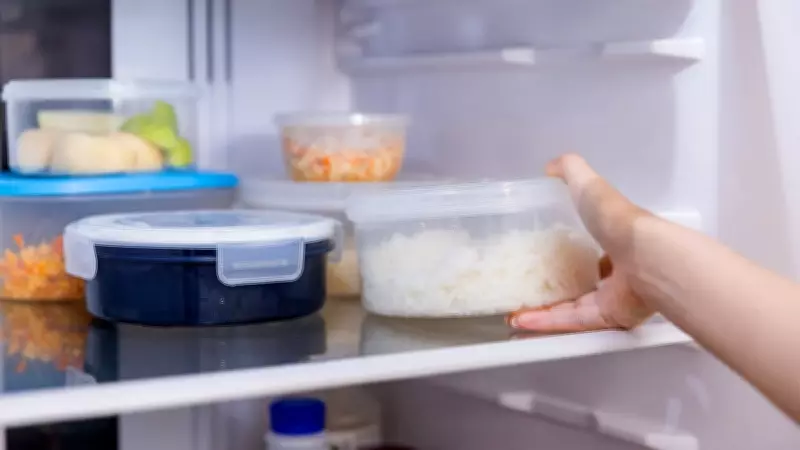
- Refrigerate Promptly: Store leftover rice in an airtight container in the refrigerator at or below 4°C (40°F). Do not leave it out for extended periods.
- Reheat Thoroughly: When reheating, ensure the rice reaches an internal temperature of at least 74°C (165°F) to kill any bacteria. Avoid reheating more than once.
- Consume Within Time Limits: Use refrigerated leftover rice within 3 to 4 days. For longer storage, consider freezing, where it can last for up to 6 months.
Benefits of Leftover Rice in Moderation
Despite the risks, leftover rice can be part of a healthy diet when handled correctly. The resistant starch formed during cooling may promote gut health by acting as a prebiotic, feeding beneficial gut bacteria. This can aid digestion and improve overall gut flora. Moreover, using leftover rice in dishes like fried rice or salads can reduce food waste, contributing to environmental sustainability.
Expert Recommendations and Final Thoughts
Health experts emphasize that leftover rice is not inherently bad, but improper handling can lead to health issues. By adhering to food safety protocols, you can enjoy leftover rice without significant concerns. Always prioritize hygiene, such as washing hands and using clean utensils, to prevent contamination. In summary, leftover rice can be a convenient and nutritious option when stored and reheated properly, balancing both health benefits and safety precautions.