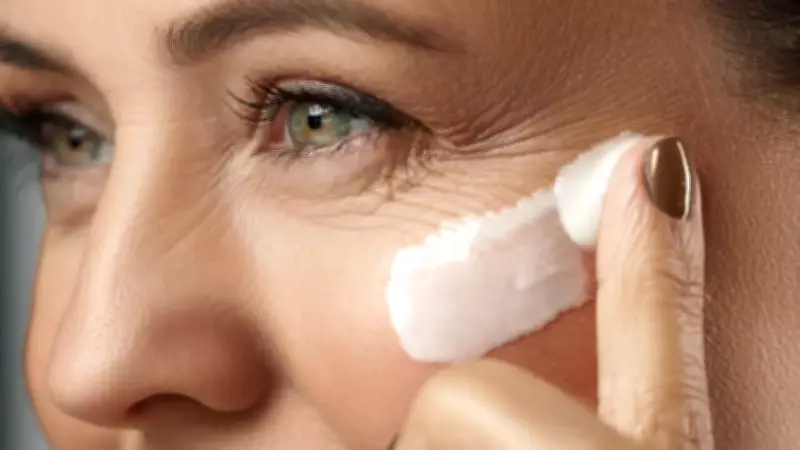
Pregnancy Skincare Mistakes: Experts Reveal What to Avoid for Healthy Skin
Pregnancy brings dramatic changes to the skin that can leave expectant mothers feeling overwhelmed and unsure how to adapt their skincare routines. Increased sensitivity, unexpected pigmentation, persistent dryness, and sudden breakouts are common challenges during this transformative period. Despite these issues, pregnant women often continue following habits that make problems worse, unaware that what worked before pregnancy may now be doing more harm than good.
Hormonal Shifts Transform Skin Behavior
In an interview with the Times of India, Dr. Kevin Hayavi, Medical Director and Managing Partner at Beverly Hills Physicians, explained the fundamental changes occurring during pregnancy. "Hormonal shifts during pregnancy make skin far more reactive than usual," he shared. "Expecting mothers don't realize that their usual skincare arsenal needs a complete rethink during this time."
Pregnancy hormones famously affect mood and energy levels, but they also fundamentally alter how skin behaves. Oestrogen and progesterone levels surge, increasing oil production, triggering melanin activity, and making the skin barrier more permeable and sensitive. Having seen countless mothers-to-be struggling with preventable skin problems, experts reveal the most common pregnancy skincare mistakes and explain what expectant mothers should be doing instead to protect their changing skin.

Common Pregnancy Skincare Mistakes to Avoid
Continuing to Use Retinoids: One of the most common mistakes is continuing retinoid use during pregnancy. Dr. Hayavi explained, "These vitamin A derivatives, found in many anti-ageing and acne treatments, should be completely avoided when expecting. Women may be unaware that retinoids hide under various names on ingredient lists: retinol, retinoic acid, tretinoin, adapalene, and tazarotene all fall into this category. Even 'natural' alternatives like bakuchiol, while generally considered safer, should be discussed with a healthcare provider before use."
Using High-Concentration Salicylic Acid: Salicylic acid is a go-to ingredient for treating acne and clearing pores, but high concentrations should be avoided during pregnancy. While low doses (under 2%) in face washes that are rinsed off are generally considered acceptable by most healthcare providers, leave-on products with higher concentrations or body treatments like chemical peels can deliver larger doses that may not be safe.
"Pregnancy acne is frustrating and it's tempting to reach for stronger treatments," noted Dr. Hayavi. "However, high-dose salicylic acid treatments aren't worth the risk. There are safer alternatives that work effectively without the concerns."
Relying on Essential Oils: The appeal of "natural" skincare during pregnancy is understandable, but not all natural ingredients are safe. Dr. Hayavi cautioned, "Undiluted essential oils like rosemary, sage, and clary sage may affect hormones or stimulate contractions, while citrus oils can increase photosensitivity and worsen pregnancy-related pigmentation known as melasma."
Over-Exfoliating Sensitive Skin: When pregnancy hormones trigger breakouts or texture changes, the instinct is often to exfoliate more frequently or use stronger scrubs. Dr. Hayavi warned, "This approach backfires spectacularly on pregnancy-sensitized skin. Physical scrubs with rough particles, daily acid exfoliation, or harsh brushes strip away the protective barrier, leaving skin raw, inflamed, and even more prone to the problems you're trying to solve."
Skipping Sun Protection: According to Dr. Hayavi, up to 70% of pregnant women develop melasma, those brown or grey patches that appear on the face due to increased melanin production. UV exposure makes this pigmentation significantly worse, yet many expectant mothers skip daily SPF or use chemical sunscreens that may not be ideal during pregnancy.

Dr. Hayavi opined, "Mineral sunscreens containing zinc oxide or titanium dioxide are the safest choice during pregnancy. These physical blockers sit on the skin's surface rather than being absorbed, providing effective protection without the concerns associated with some chemical filters like oxybenzone."
Using Benzoyl Peroxide in High Concentrations: While lower concentrations of benzoyl peroxide (under 5%) used as spot treatments are generally considered acceptable, high-concentration leave-on products should be avoided. Dr. Hayavi explained, "Benzoyl peroxide works by creating free radicals that kill acne-causing bacteria, but this oxidative stress isn't ideal for pregnancy skin that's already dealing with increased inflammation."
Safe Alternatives and Proper Skincare Approaches
Instead of harsh actives and complicated routines, pregnancy skincare should focus on gentleness and barrier support. According to experts:
- Niacinamide is a pregnancy-safe superstar that helps with both acne and pigmentation while supporting the skin barrier
- Azelaic acid, when approved by a doctor, can address breakouts and melasma without the risks associated with retinoids or hydroquinone
- Hyaluronic acid provides essential hydration
- Ceramides and fatty acids help repair and strengthen the compromised barrier
"The goal during pregnancy is to support your skin through a temporary period of dramatic change while keeping both you and your baby safe," advised Dr. Hayavi. "Simple, gentle routines focused on hydration and protection are far more effective than aggressive treatments."
He added specific recommendations for expectant mothers:
- "My first piece of advice to expectant mothers is always to patch test any new product, even those labelled pregnancy-safe. Apply a small amount to your inner forearm and wait 24 hours to check for reactions. Your skin's tolerance has changed, and what worked before may no longer suit you."
- "Switch to mineral sunscreens with zinc oxide or titanium dioxide rather than chemical filters. Apply it every morning, even on cloudy days, to prevent melasma from worsening. This single change can make an enormous difference to post-pregnancy pigmentation."
- "Prioritise barrier-friendly moisturisers containing ceramides, hyaluronic acid, and glycerin to help repair and maintain your skin's protective function without any safety concerns."
- "Keep your routine simple with just three to four products rather than layering multiple actives."
Additional Support Through Massage
Bringing his expertise to the same topic, Rajesh Vohra, CEO at Artsana India, in assistance with Chicco Research Centre, encouraged the use of massage oil for comfort and emotional balance. He shared, "As the body carries new life, fatigue, backaches, and muscle strain often become part of the day. A gentle massage oil, created specifically for pregnancy, helps ease this discomfort, relaxing the muscles and supporting skin elasticity."
He revealed, "This helps prepare the body for labour, reduces the chances of tearing, and gives mothers more confidence as they approach delivery. The key is to choose an oil made with natural ingredients, free from mineral oil, paraffins, parabens, phenoxyethanol, SLES, and other harsh chemicals. Customers should always check the label to ensure these standards before making a purchase."
Vohra emphasized that the benefits extend beyond physical care: "Massage is also a powerful emotional support as it reduces stress, calms anxiety, and promotes a sense of connection with the changing body. In the last months, perineal massage becomes an important step. As the perineal area stretches significantly during childbirth, regular gentle massage with nourishing oil improves elasticity and blood circulation."
Looking Forward to Post-Pregnancy Skin
Remember, pregnancy skin changes are typically temporary. Breakouts, sensitivity, and even some pigmentation often improve after delivery once hormones settle. Focus on maintaining skin health rather than chasing perfection during these nine months.
Important Note: The information provided in this article is for educational purposes only and is not intended as medical advice. Always consult with a qualified healthcare professional before starting any new medication or treatment and before changing your diet or supplement regimen.