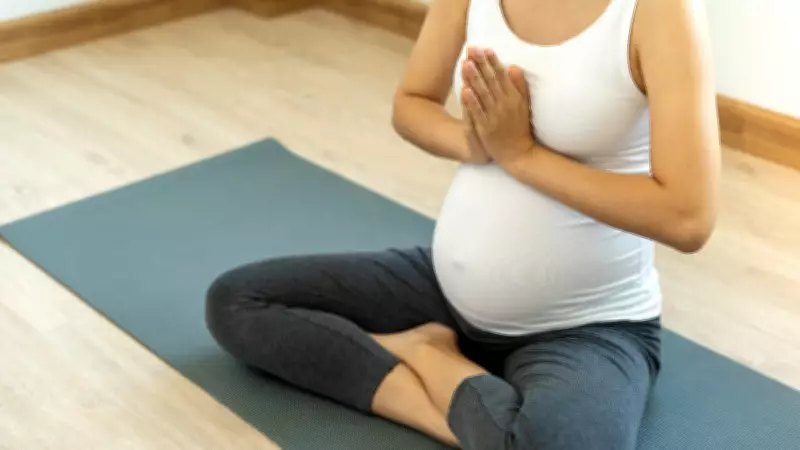
Prenatal Yoga Reduces Pregnancy Discomforts and Emotional Stress
Pregnancy brings significant physical and emotional changes, including backaches, poor sleep, swollen feet, and anxiety. Prenatal yoga has emerged as a recommended practice by many obstetricians to help women stay active and find calm. According to Dr Neha Shukla, Senior Consultant Obstetrician and Gynaecologist at Ankura Hospital, Hyderabad, yoga offers gentle stretching, relaxation, and controlled breathing that support physical and emotional well-being.
Physical Benefits: Alleviating Back Pain and Improving Posture
As pregnancy progresses, weight gain and hormonal shifts strain the pelvis, hips, and back. Dr Shukla explains that prenatal yoga includes poses that strengthen core muscles, improve flexibility, boost pelvic musculature, and relieve lower back pain. Gentle stretching also minimizes swelling and promotes blood flow. The practice is designed with pregnancy changes in mind—slower and gentler than regular yoga—focusing on comfort rather than flexibility.
Emotional Well-being: Reducing Anxiety and Stress
Hormonal changes and worries about childbirth can cause emotional overload. Dr Shukla notes that prenatal yoga contributes to emotional health through meditation and mindful breathing, helping women achieve emotional balance, calmness, and self-confidence. Research supported by the National Institutes of Health suggests yoga during pregnancy may reduce anxiety, depression, and perceived stress while improving overall well-being.

Breathing Techniques for Childbirth
Pranayama, or breath control, is a key element of prenatal yoga. Dr Shukla emphasizes that controlled breathing promotes relaxation, supports oxygen flow, and prepares the body for the physical demands of childbirth. Learning to slow the breath helps women stay calm and focused during labor, reducing fear and tension.
Improved Sleep Quality
Sleep difficulties are common in the second and third trimesters due to discomfort and frequent bathroom trips. Emerging evidence indicates that prenatal yoga helps improve sleep quality by relaxing the body and relieving muscular tension. Dr Shukla states that proper sleep is crucial for maternal and fetal health, and simple stretches and breathing exercises before bedtime can aid relaxation.
Safety Precautions: Not All Poses Are Safe
Dr Shukla warns that not every yoga pose is safe during pregnancy. High-intensity workouts, deep twists, and vigorous backbends may require modification or avoidance. Women with conditions like cervical insufficiency, uncontrolled hypertension, severe anemia, placenta previa, or a history of preterm labor should be especially cautious. Professional guidance and customization are essential to avoid mishaps.
Disclaimer: This article is for informational purposes only. Pregnant women should consult their healthcare provider before starting any exercise routine.