Soaking dal before cooking is a common practice in many households, but what exactly happens when you soak lentils for 30 minutes? Let's decode the science behind this simple step and explore its benefits for texture, digestibility, and nutrition.
How Soaking Affects Dal
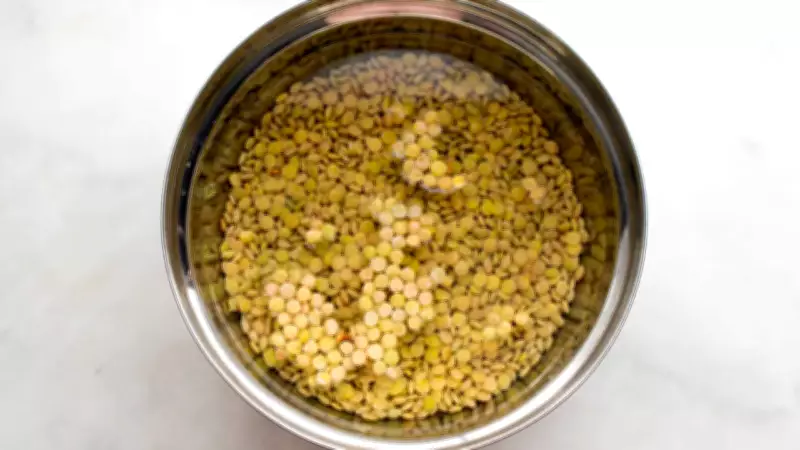
When dal is soaked in water, the grains begin to absorb moisture through a process called hydration. This softens the outer layer, allowing heat to penetrate more easily during cooking. As a result, soaking for 15-30 minutes makes dal easier and faster to prepare.
Reduced Cooking Time
Soaking softens the texture, significantly cutting down cooking time. This is especially useful for varieties like toor dal, chana dal, or whole lentils, which typically take longer than split dals. Shorter cooking time also saves fuel, and a pressure cooker is the best utensil for cooking dal.

Improved Texture and Consistency
Unsoaked dal often cooks unevenly, with the outside becoming soft while the inside remains firm. Soaking ensures even moisture distribution, leading to uniform cooking and a better, creamier texture.
Better Digestibility
Lentils contain antinutrients like phytic acid and enzyme inhibitors, which can interfere with mineral absorption and cause digestive discomfort. Soaking for at least 30 minutes helps reduce these compounds, making dal easier to digest.
Enhanced Nutrient Availability
As dal absorbs water, biological processes begin that can improve the body's ability to absorb nutrients such as iron, zinc, and magnesium.
Does the Type of Dal Matter?
Yes, the impact of soaking depends on the dal type. Split dals like masoor dal and yellow moong dal are naturally soft and cook well without soaking. However, larger dals like chana dal and toor dal benefit more from a short soak. Whole lentils generally require longer soaking times, often several hours or overnight.