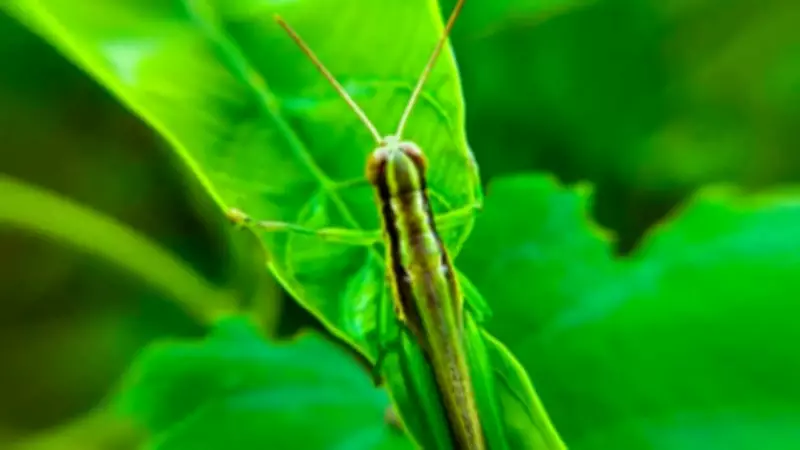
Crickets are frequently viewed as annoying insects that chirp constantly and disrupt the peace of a garden. However, many gardeners and environmental experts argue that these creatures offer significant benefits to garden ecosystems. Crickets help decompose organic matter, recycle nutrients into the soil, and serve as a food source for birds and reptiles. Instead of resorting to pesticides, understanding the positive roles crickets play can lead to a healthier, more balanced garden.
Natural Recyclers of Dead Plant Matter
Crickets feed on dry leaves, decaying materials, and other plant waste. By consuming these substances, they accelerate decomposition and help recycle nutrients back into the soil. This natural process reduces the accumulation of debris and enriches the soil, making it more fertile for plant growth.
Improving Soil Activity
As crickets move across the ground in search of food and shelter, they inadvertently aerate the soil. Their movement improves air circulation and soil structure, which benefits root systems and microbial life. Healthy soil depends on a diverse community of organisms, and crickets are an important part of that community.

Essential Food Source for Wildlife
Crickets are a crucial part of the food chain. Birds, reptiles, lizards, and spiders rely on them as a primary food source. Removing crickets from your garden can disrupt this balance, reducing the number of natural predators that visit your garden. A diverse insect population attracts more wildlife, contributing to a thriving ecosystem.
Chirping as a Sign of Ecosystem Health
The familiar chirping of crickets is often an indicator of a healthy garden. Their presence suggests that the soil is rich, moisture levels are adequate, and vegetation is sufficient to support insect life. Rather than being a nuisance, chirping crickets signal that your garden is functioning naturally.
Risks of Excessive Pesticide Use
Using strong chemicals to eliminate crickets can harm beneficial insects like butterflies, earthworms, and bees. These organisms are essential for pollination and soil health. Pesticides can reduce biodiversity and lead to long-term soil degradation. Experts recommend monitoring cricket populations before taking action, as they rarely cause significant damage to crops.
Balanced Gardens Outperform Insect-Free Ones
Modern gardening emphasizes biodiversity over eradication. Insects like crickets contribute to the natural equilibrium, supporting soil and wildlife health. Gardens that encourage insect activity often thrive better than those subjected to frequent chemical treatments. Embracing a balanced approach leads to a more resilient and productive garden.
Disclaimer: This article is for general informational and gardening awareness purposes only. While crickets can contribute positively to garden ecosystems, certain species or unusually large infestations may occasionally damage seedlings, leaves, or crops, depending on local environmental conditions. Wildlife activity and insect behaviour may vary by region, climate, and garden type. Readers are advised to consult local horticulture experts, agricultural authorities, or pest-management professionals for guidance regarding serious pest concerns or crop protection practices.