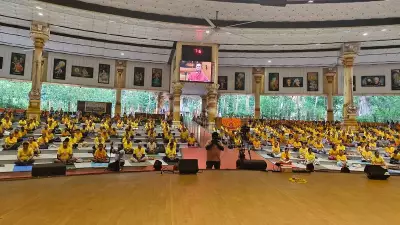
Polyendocrine Metabolic Ovarian Syndrome (PMOS), previously known as PCOD/PCOS, is one of the most common hormonal disorders affecting women during their reproductive years. Characterized by irregular periods, weight fluctuations, acne, and fertility concerns, PMOS is aggravated by factors such as stress, poor sleep, emotional imbalance, and unhealthy dietary habits. While many temporary solutions focus on symptom control, integrative yoga therapy is emerging as a sustainable and supportive approach for long-term PMOS management.
Yoga and Hormonal Balance
Women with PMOS face hormonal imbalances driven by stress, which triggers high cortisol levels and leads to insulin sensitivity and disrupted reproductive hormones. Yoga helps calm the nervous system, reduce stress hormones, and improve overall endocrine function. Regular practice enhances blood circulation, particularly to the pelvic region, boosting metabolism and supporting healthy ovarian function. Specific yoga asanas stimulate endocrine glands and regulate menstrual cycles naturally. Unlike intense workouts that may increase physical stress, yoga offers a gentle yet effective path toward long-term healing.
Recommended postures for PMOS include Bhujangasana (Cobra Pose), Baddha Konasana (Butterfly Pose), Setu Bandhasana (Bridge Pose), and Supta Baddha Konasana. These asanas improve pelvic circulation, reduce abdominal tension, and encourage hormonal stability.

The Role of Breathwork and Meditation
Integrative yoga therapy extends beyond physical postures to include breathing exercises, or Pranayama, which are key to restoring internal balance. Techniques like Anulom Vilom, Bhramari, and deep diaphragmatic breathing decrease stress levels, enhance oxygen flow, and help regulate the autonomic nervous system. Meditation plays a crucial role in developing emotional wellness by reducing mental exhaustion and increasing attention. Many women with PMOS experience emotional stress related to body image, hormonal mood shifts, and fertility challenges. Meditation builds emotional strength and mental clarity, contributing to hormonal stability over time. Consistent practice improves sleep quality, reduces inflammation, and fosters a healthy lifestyle.
Integrating Yoga with Lifestyle Changes
Optimal results from yoga therapy occur when combined with balanced nutrition, adequate sleep, and regular exercise. This holistic approach provides lasting peace of mind without relying on quick fixes. Mindful eating, staying hydrated, and reducing processed foods complement the yoga practice. Consistency is key: practicing yoga with guided instruction for at least 30 to 40 minutes daily can lead to noticeable improvements in energy levels, mood, and cycle regularity. Many women also report better weight management and improved insulin resistance over time. Importantly, yoga encourages individuals to reconnect with their bodies, shifting focus from symptoms and numbers to a healthier relationship with self-care and long-term wellness.
A Holistic Path Toward Long-Term Relief
Managing PMOS requires patience, awareness, and a comprehensive plan for mental and physical health. Integrative yoga therapy helps maintain healthy hormone levels naturally while promoting emotional and physical well-being. It addresses root causes such as stress, poor lifestyle choices, and mental issues, rather than separating PMOS from its origins. As more women seek sustainable healing methods, interest in integrating yoga therapy as an adjunct to traditional medical treatment continues to grow. Through consistent practice and a holistic approach, yoga becomes a tool to restore balance, self-confidence, and overall quality of life.
According to Dr. Rabindra Mohan Acharya, Director of Vivekananda Yoga Anusandhana Samsthana (VYASA) in Delhi, integrative yoga therapy offers a supportive framework for long-term PMOS management.