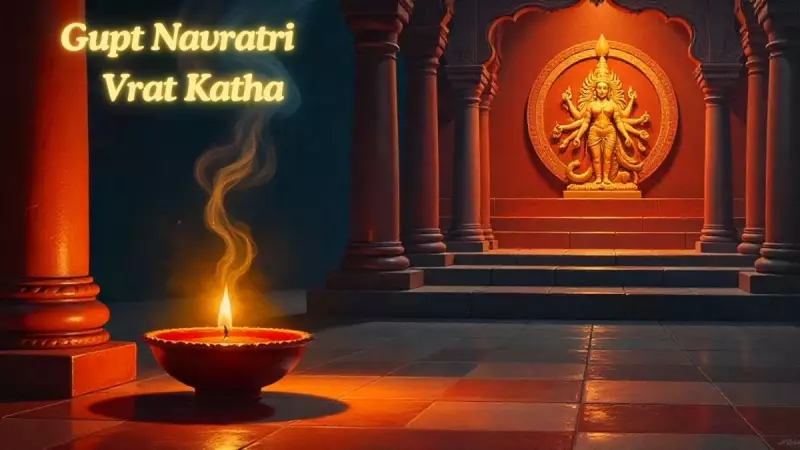
Gupt Navratri 2026: A Deep Dive into the Ten Mahavidyas and Their Timeless Legend
Gupt Navratri, often referred to as the hidden Navratri, is a significant yet lesser-known festival in the Hindu spiritual calendar. Scheduled for 2026, this event holds profound importance for devotees seeking deeper spiritual insights and divine blessings. Unlike the more widely celebrated Chaitra and Sharad Navratris, Gupt Navratri occurs during the month of Magha, typically in January or February, making it a unique period for introspection and worship.
The Ten Mahavidyas: Goddesses of Supreme Wisdom
At the heart of Gupt Navratri lies the veneration of the Ten Mahavidyas, a group of ten powerful goddesses in Hinduism. These deities represent different aspects of the divine feminine energy, known as Shakti, and are revered for their roles in guiding spiritual seekers toward enlightenment. The Mahavidyas are not just mythological figures; they embody cosmic principles and are integral to tantric traditions, offering pathways to transcendence and self-realization.
The list of the Ten Mahavidyas includes:

- Kali: The fierce goddess of time and destruction, symbolizing the power to overcome evil.
- Tara: The compassionate star goddess, associated with protection and guidance.
- Shodashi (Tripura Sundari): The goddess of beauty and harmony, representing the fullness of creation.
- Bhuvaneshvari: The queen of the universe, embodying the material world and its sustenance.
- Bhairavi: The fierce aspect of Shakti, linked to transformation and dissolution.
- Chhinnamasta: The self-decapitated goddess, symbolizing sacrifice and the cycle of life and death.
- Dhumavati: The widow goddess, representing poverty and inauspiciousness, yet offering lessons in detachment.
- Bagalamukhi: The goddess who paralyzes enemies, associated with control and victory over obstacles.
- Matangi: The goddess of speech and knowledge, often linked to the arts and learning.
- Kamala: The lotus goddess, symbolizing purity, prosperity, and divine grace.
Ancient Legend and Spiritual Significance
The legend of the Ten Mahavidyas traces back to ancient Hindu scriptures, where they are said to have emerged from the divine energy of Goddess Parvati. According to mythology, these goddesses appeared to demonstrate the multifaceted nature of the supreme reality, teaching that the divine can be accessed through various forms and practices. During Gupt Navratri, devotees engage in rituals, meditation, and prayers dedicated to these Mahavidyas, aiming to harness their energies for spiritual growth, protection, and fulfillment of desires.
This festival emphasizes the esoteric aspects of Hinduism, encouraging practitioners to look beyond conventional worship and explore the deeper, hidden truths of existence. The practices associated with Gupt Navratri often involve tantric rites, mantra chanting, and offerings, making it a time for intense spiritual discipline and devotion.
Gupt Navratri 2026: Practices and Observances
In 2026, Gupt Navratri will be observed with traditional fervor by spiritual communities across India. Key practices include:
- Fasting and Abstinence: Many devotees observe fasts, refraining from certain foods and activities to purify the body and mind.
- Puja and Rituals: Special prayers and offerings are made to the Ten Mahavidyas, often in home shrines or temples.
- Mantra Recitation: Chanting specific mantras associated with each Mahavidya is believed to invoke their blessings and powers.
- Meditation and Reflection: This period is ideal for deep meditation, focusing on the qualities and lessons of the goddesses.
Gupt Navratri serves as a reminder of the rich spiritual heritage of India, offering a unique opportunity to connect with ancient wisdom. As 2026 approaches, it invites seekers to delve into the mysteries of the Ten Mahavidyas, fostering a journey toward inner peace and divine realization.