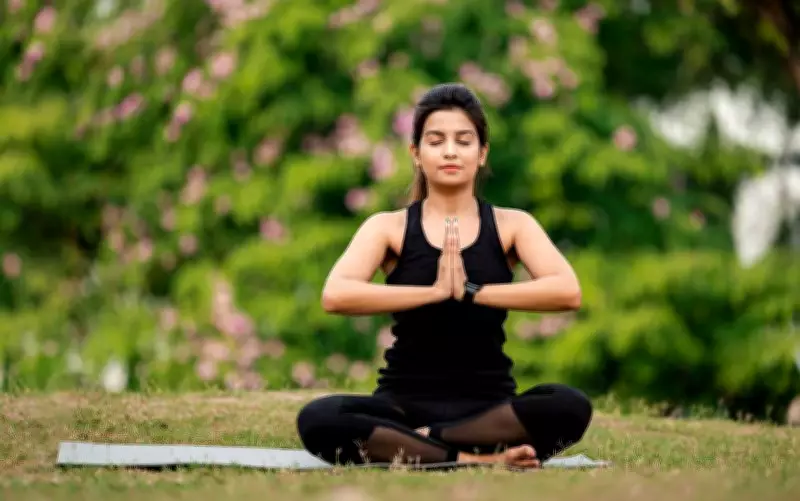
Yoga's Deeper Meaning Beyond Physical Postures
International Yoga Day, celebrated annually on June 21, brings people together in a spirit of unity to honor a timeless practice that disciplines both body and mind. Marked by community sessions of asanas and meditation, the occasion holds special significance in an age dominated by social media and erratic lifestyles. With both the young and elderly spending long hours glued to screens, health concerns such as frozen shoulders, dry eyes, irregular eating habits, anxiety, and stress have become commonplace.
The old wisdom of 'early to bed and early to rise' has, for many, given way to late nights, junk food at odd hours, and little physical activity. It is in this context that yoga's deeper philosophy assumes greater relevance. While International Yoga Day highlights physical and mental well-being, the Bhagavad Gita defines yoga in a more profound sense: Samatvam Yoga Uchyate (Chapter 2, Verse 48) — yoga is the evenness of mind.
Krishna's Counsel on Mental Balance
Krishna counsels a conflicted Arjuna to act with steadfastness and teaches him the importance of maintaining mental balance in all situations. Yoga is not merely a set of postures for staying healthy; it is a way of life rooted in discipline. It encourages us to perform our duties with mindfulness and focus, without becoming attached to the outcome.

Often, results may fall short of expectation or may not find acceptance among others. Yet an honest reflection on such outcomes helps us identify areas for improvement, recognize our strengths, and understand our true nature. It enables us to chart a path forward guided by clarity and self-awareness. Such guidance is valuable because it emerges from an inner voice that illuminates the self.
Cultivating Inner Stillness Amid Distractions
In a world filled with noise and distractions from every direction, how do we remain focused? How do we free ourselves from an attachment to outcomes? How do we cultivate inner stability amid uncertainty? This is where the practice of yoga becomes invaluable. It helps us attain inner stillness and listen to the voice within.
Listening to that inner voice requires pause and stillness — a calm and peaceful mind, time and space, and, above all, the willingness to listen. Once we begin to connect with our inner self, discovery unfolds. Thoughts gain clarity, understanding deepens, growth begins, and perspectives shift. This transformation occurs quietly and gradually shapes the way we see ourselves and the world around us.
Karma Yoga: Selfless Action in Daily Life
Yoga calls for equanimity in success and failure alike. It teaches us to live fully in the present, without being burdened by the past or consumed by anxiety about the future. This principle of karma yoga — selfless action — is at the heart of yoga's true spirit. When daily duties and responsibilities are carried out with dedication and a sense of higher purpose, they foster both inner peace and social harmony.
International Yoga Day is, therefore, much more than a health initiative. It is a call to integrate balance, clarity, and compassion into everyday life, extending the benefits of yogic practice into the way we work, interact, and serve society. Ultimately, that is what yoga seeks: harmony between the self and the world, and harmony between the self and its truest essence.
— The writer teaches at SSSS College of Commerce for Women, Amritsar.