

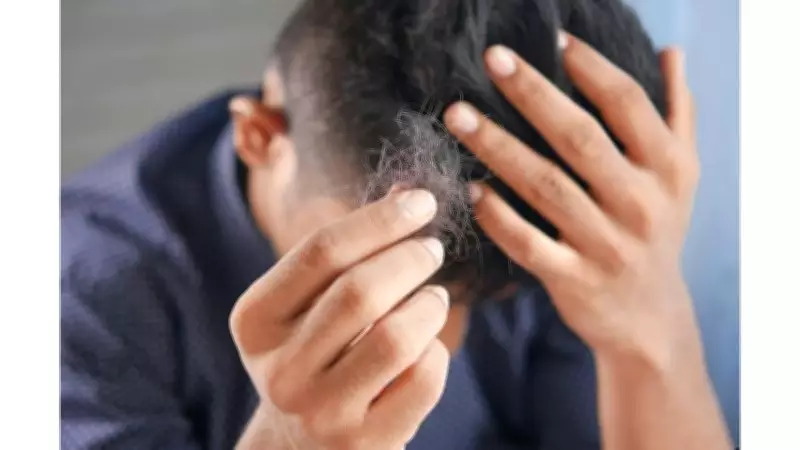
Understanding Male Hair Loss: Key Causes and Contributing Factors
Hair loss is a common concern among men, affecting millions worldwide and often leading to significant emotional and psychological distress. While it can be a natural part of aging, understanding the underlying causes is crucial for effective management and prevention. This article delves into the main factors contributing to hair fall in men, providing a comprehensive overview based on current knowledge.
Genetic Predisposition and Hormonal Influences
Male pattern baldness, also known as androgenetic alopecia, is the most prevalent cause of hair loss in men. This condition is primarily driven by genetics and hormones. It involves a sensitivity to dihydrotestosterone (DHT), a derivative of testosterone, which shrinks hair follicles over time, leading to thinner and shorter hair until growth ceases.
- Inherited Traits: A family history of baldness significantly increases the risk, with patterns often passed down through generations.
- Hormonal Changes: Fluctuations in hormone levels, particularly during puberty or with aging, can accelerate hair loss.
Medical Conditions and Health Issues
Various medical conditions can trigger or exacerbate hair fall in men. These include autoimmune diseases, infections, and chronic illnesses that affect overall health and hair growth cycles.

- Alopecia Areata: An autoimmune disorder where the immune system attacks hair follicles, causing patchy hair loss.
- Thyroid Disorders: Both hypothyroidism and hyperthyroidism can disrupt hair growth, leading to thinning or shedding.
- Scalp Infections: Fungal or bacterial infections, such as ringworm, can damage follicles and result in temporary hair loss.
Lifestyle and Environmental Factors
Daily habits and environmental exposures play a significant role in hair health. Poor lifestyle choices can weaken hair strands and follicles, making them more prone to falling out.
Nutritional Deficiencies: A lack of essential vitamins and minerals, like iron, zinc, and biotin, can impair hair growth and lead to increased shedding. Diets low in protein or high in processed foods often contribute to this issue.
Stress and Mental Health: Chronic stress can trigger telogen effluvium, a condition where hair prematurely enters the resting phase and falls out. Anxiety and depression may also worsen hair loss through hormonal imbalances.
External Triggers and Hair Care Practices
Certain external factors and hair care routines can damage hair, leading to breakage and loss. It is important to be mindful of these to maintain healthy hair.
- Harsh Styling Products: Overuse of gels, sprays, or dyes containing chemicals can weaken hair and irritate the scalp.
- Heat Styling Tools: Frequent use of blow dryers, straighteners, or curlers can cause thermal damage and breakage.
- Tight Hairstyles: Styles like ponytails or braids that pull on the hair can lead to traction alopecia, a form of hair loss from constant tension.
Medications and Treatments
Some medications and medical treatments have hair loss as a side effect. This is often temporary but can be distressing for those affected.
Chemotherapy and Radiation: Cancer treatments are well-known for causing significant hair fall, as they target rapidly dividing cells, including hair follicles.
Other Drugs: Medications for conditions like high blood pressure, depression, or arthritis may list hair loss as a potential adverse effect. Consulting a healthcare provider about alternatives can help mitigate this risk.
Prevention and Management Strategies
While not all causes of hair loss are preventable, adopting healthy practices can reduce risk and promote hair retention. Early intervention is key to managing symptoms effectively.

- Balanced Diet: Ensure adequate intake of proteins, vitamins, and minerals to support hair growth.
- Stress Management: Techniques like meditation, exercise, or therapy can help lower stress levels and protect hair health.
- Gentle Hair Care: Use mild shampoos, avoid excessive heat, and opt for loose hairstyles to minimize damage.
- Medical Consultation: Seek advice from a dermatologist or trichologist for personalized treatment options, such as medications or therapies.
In summary, hair loss in men stems from a complex interplay of genetic, hormonal, medical, lifestyle, and environmental factors. By understanding these causes, individuals can take proactive steps to address hair fall and maintain healthier hair over time. Regular monitoring and professional guidance are essential for those experiencing significant shedding or thinning.
