For many families, building a new home is a cherished dream. For those who follow Vastu Shastra, every decision regarding direction and design is believed to impact peace, prosperity, and health. While modern architecture prioritizes functionality and aesthetics, experts caution that ignoring basic Vastu principles during construction is a common mistake. Here are important Vastu errors to avoid when constructing a new house.
Plot Direction and Shape
The direction and shape of the plot play a crucial role in energy flow. Plots with sharp corners or irregular shapes are considered inauspicious. Square and rectangular plots provide stability and balance. South- or west-facing plots are generally avoided, while north- or east-facing plots are said to bring positive energy.
Main Entrance
The main entrance is the entry point for energy into the house. Not designing it in the right direction is one of the biggest Vastu mistakes. Entrances facing north, east, or northeast are considered auspicious. Experts recommend keeping the area directly in front of the main door free of clutter, pillars, or any obstacles that might impede the flow of positive energy.

Kitchen Facing
In Vastu Shastra, kitchen placement is vital as it relates to the fire element. A major mistake is placing the kitchen in the northeast. Traditionally, the best direction for the kitchen is southeast, with the northwest as a secondary option. Ideally, gas stoves and cooking appliances should face east while cooking.
Poor Room Location
The northeast is not suitable for the master bedroom, according to Vastu. The southwest corner is considered the best location for the head of the family, symbolizing stability and strength. For better harmony, children's rooms and guest bedrooms should be in the west or northwest direction.
View to the Northeast Corner
The northeast zone is one of the most sacred areas in a home. Heavy construction, staircases, storage rooms, or toilets in this corner constitute a major Vastu defect. Experts advise keeping this area open, clean, and bright. Many homeowners choose to set up a meditation or prayer room in the northeast.
Toilets in the Wrong Location
According to Vastu Shastra, toilets should not be constructed in the northeast or center of the house. Such placements are believed to bring negative energy and disturbances. Generally, northwest and west directions are considered better for bathrooms and toilets.
Staircase in the Middle of the House
One of the biggest Vastu mistakes is having a staircase in the Brahmasthan, the central zone of the house. This area is considered the energy core of the home and should be left open and free of clutter. Staircases are usually recommended in the south, west, or southwest directions.
No Natural Light and Ventilation
In modern compact homes, design sometimes takes precedence over ventilation and sunlight. However, Vastu emphasizes the importance of natural light, especially from the east. Dark and poorly ventilated spaces are thought to generate stagnant energy and negatively affect the overall atmosphere of the house.
Underground Water Tank in Incorrect Zone
Water elements are also important in Vastu. Underground water tanks are preferred in the northeast direction, while overhead tanks are preferred in the southwest. Placing heavy water structures in the wrong location disturbs the balance of elements in the house.
Inopportune Time to Start Construction
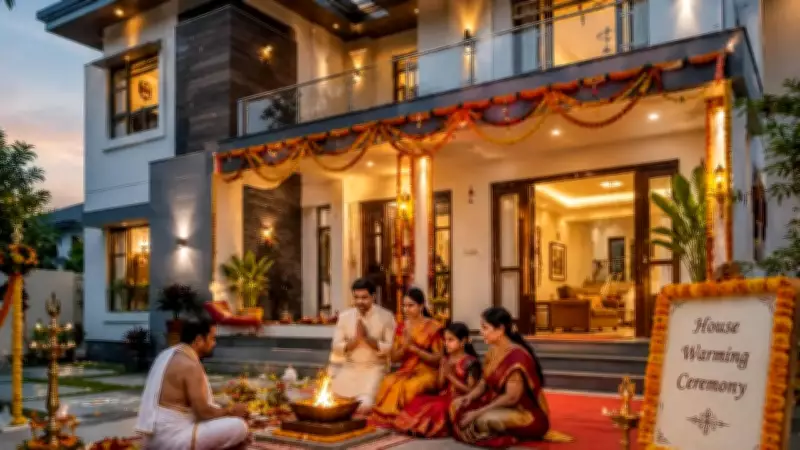
Many families consult astrologers and Vastu experts before beginning construction. In Vastu practices, bhoomi puja and selecting an auspicious day for foundation laying are important traditions. Experts say that building at auspicious timings brings peace and prosperity to the home.
Balancing Vastu and Modern Living
Today, architects and Vastu experts stress balancing traditional beliefs with practical design needs. Not all houses can adhere strictly to Vastu due to space constraints, but following basic principles can be advantageous for homeowners seeking spiritual harmony along with modern comfort. Good planning during construction can save costly structural alterations later and ultimately result in a peaceful, functional, and positive home.