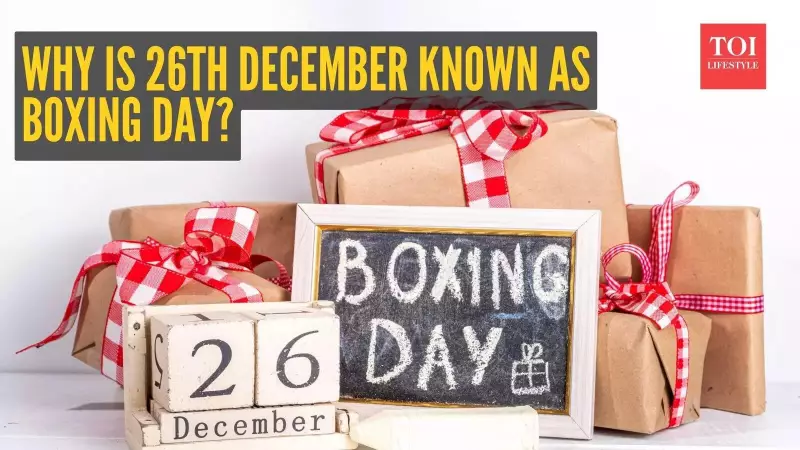
While Christmas celebrations officially conclude on the 25th of December, a distinct festive atmosphere lingers into the following day across several nations. Known as Boxing Day, the 26th of December is a public holiday in Great Britain and numerous Commonwealth countries including Australia, Canada, and New Zealand. For countless people, it serves as a tranquil day of recovery after the Christmas rush, marked by family relaxation, shopping excursions, sporting events, and a gentle, lingering holiday spirit.
The Historical Roots and Meaning of Boxing Day
So, what exactly is Boxing Day, and where did its unique name originate? At its core, Boxing Day is a holiday observed on 26 December. Historically, it was the day when gifts, known as "Christmas boxes," were given to servants, tradespeople, and the less fortunate. Over time, the day has evolved to strongly associate with major sales, premier sporting fixtures, and relaxed family gatherings, yet it retains its foundational ethos of generosity and sharing.
The name itself has two prominent historical explanations. One theory traces it back to the alms boxes placed in churches during the Advent season. These boxes collected charitable donations from parishioners, which were then distributed to the poor and needy on the day after Christmas, St. Stephen's Day.

The other widely accepted story involves the tradition of employers gifting their servants and employees a box containing presents, bonuses, or leftover food on 26 December. Since domestic staff were required to work on Christmas Day to facilitate their employers' celebrations, they were granted the next day off to visit their own families, taking their special "box" with them. While modern employee bonuses are typically issued before the holidays now, the underlying sentiment of appreciation remains.
Modern Celebrations: Sports, Sales, and Family Time
In contemporary times, Boxing Day has become deeply intertwined with sports culture. In England, Scotland, and Northern Ireland, a full fixture of football and rugby matches is a staple. For Australia, New Zealand, and South Africa, the day is synonymous with iconic Test cricket matches, drawing huge crowds. Horse racing and ice hockey are also popular sporting activities associated with the day.
Another major modern pillar of Boxing Day is shopping. Similar to Black Friday in the United States, Boxing Day sales have become a massive retail phenomenon. Stores offer significant discounts and promotions, attracting throngs of shoppers eager to snag post-Christmas deals and browse festive offers.
Amidst the commercial and sporting frenzy, for many households, the day remains a quiet occasion for rest and togetherness. Families gather for simple, leisurely meals, often featuring leftovers or traditional fare like baked ham, mince pies, and Christmas cake. It's a day to unwind and extend the festive cheer in a more relaxed setting.
Logistics and Global Observance
As a formal public holiday, if 26 December falls on a weekend, the following Monday is designated as the official holiday to ensure people do not miss their day off. While strongly celebrated in Great Britain and much of the Commonwealth, this particular tradition was not carried over to the former American colonies.
From its origins in church alms boxes and gift boxes for workers, the true spirit of Boxing Day has always centred on sharing, gratitude, and community care. Today, it seamlessly blends this charitable heart with the excitement of sports, the thrill of shopping, and precious, relaxed family time, creating a unique and enduring post-Christmas tradition.