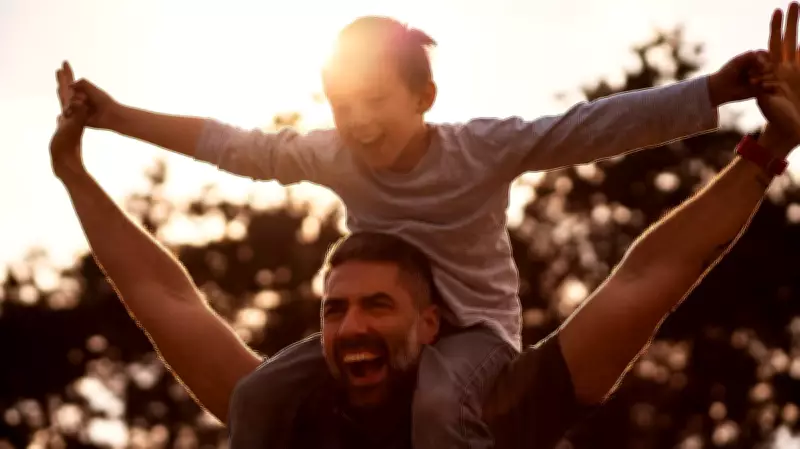
As Father's Day 2026 approaches, the concept of fatherhood is undergoing a significant transformation. Global estimates indicate a notable increase in the time millennial fathers are dedicating to their children, marking a shift from traditional roles.
Changing Dynamics of Fatherhood
Modern fathers are increasingly involved in daily childcare activities, from feeding and bathing to school runs and playtime. This trend reflects a broader societal change where parenting is seen as a shared responsibility rather than primarily maternal.
Why Millennial Dads Are Different
Several factors contribute to this evolution:

- Workplace Flexibility: Remote work and flexible hours allow fathers to be more present at home.
- Cultural Shifts: Younger generations value emotional connection and hands-on parenting.
- Shared Economic Burden: With dual-income households common, fathers take on more domestic duties.
Benefits for Children and Families
Research shows that involved fathers positively impact children's cognitive development, emotional security, and social skills. Families with engaged fathers often report higher levels of happiness and stability.
Challenges Still Remain
Despite progress, many fathers face societal expectations and workplace policies that discourage active parenting. Stigmas around paternity leave and caregiving roles persist in some regions.
Looking Ahead
Experts predict that fatherhood will continue to evolve, with greater emphasis on emotional intelligence and co-parenting. This Father's Day, celebrating the new age dad means recognizing his commitment to being present and nurturing.
Published 20 June 2026, 13:19 IST