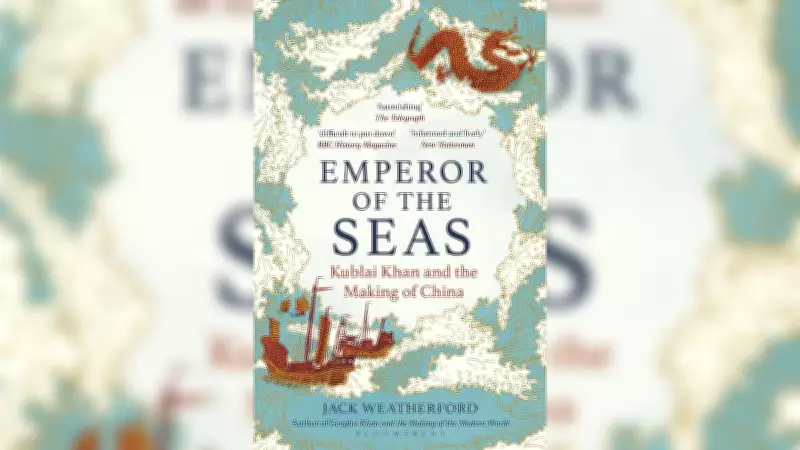
Weatherford's Lens on China's Historical Roots
In an era when China is analysed almost entirely through GDP numbers, naval tonnage and rare earth exports, author Weatherford reminds readers that the country’s political instincts were shaped over centuries rather than decades. His latest work delves into how ancient dynastic patterns, philosophical traditions, and historical traumas continue to influence Beijing's modern decision-making.
From Dynastic Cycles to Modern Governance
Weatherford traces the continuity of China's governance model from the Qin unification to the present day. He argues that the centralised bureaucracy, meritocratic examinations, and the concept of a harmonious society under a strong leader have deep historical precedents. The book highlights how periods of fragmentation, such as the Warring States era, created a lasting preference for unity and order over liberal democracy.
Historical Traumas and National Identity
The author also examines how the "century of humiliation" (1839–1949) under foreign powers ingrained a sense of victimhood and a determination to restore national sovereignty. This historical memory, Weatherford contends, fuels current assertiveness in territorial disputes and technological self-sufficiency drives. He notes that the Chinese Communist Party's narrative of national rejuvenation directly taps into these older sentiments.

Philosophical Underpinnings of Policy
Confucianism, Legalism, and Daoism are not just relics but living influences on policy. Weatherford explains how the Confucian emphasis on hierarchy and collective good justifies state-led development, while Legalist traditions of strict law enforcement underpin modern social credit systems. The book provides concrete examples, such as the Belt and Road Initiative echoing ancient tributary trade networks.
Relevance for Contemporary Analysis
According to Weatherford, ignoring this historical context leads to misunderstandings. For instance, Western critiques of China's human rights record often miss the cultural prioritisation of stability over individual freedoms. The book concludes that China's rise is not a break from its past but a continuation of a civilisational arc. As Weatherford states, “To understand China today, one must first understand its yesterday.”