The Mystical Kalawa Thread: A 21-Day Color Transformation
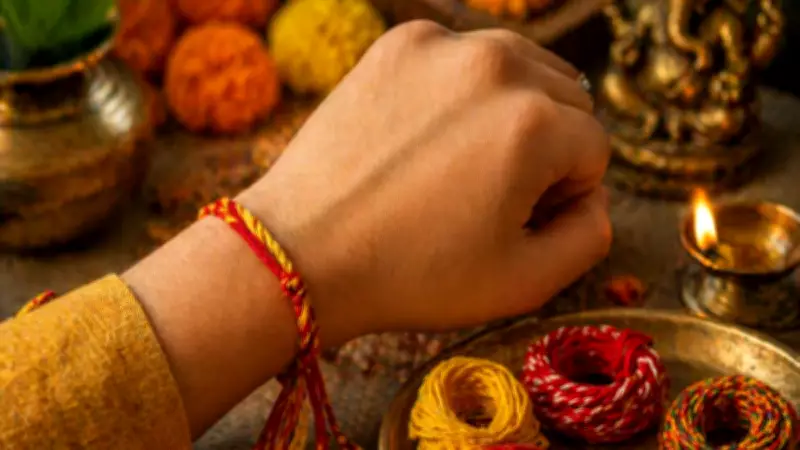
In the realm of spirituality and ancient traditions, the Kalawa, a sacred thread often worn on the wrist, holds profound significance. Recent discussions have brought attention to a fascinating phenomenon: the Kalawa changing colors over a period of 21 days. This transformation is not merely a physical alteration but is deeply rooted in spiritual beliefs, symbolizing shifts in energy, protection, and personal growth.
Understanding the Kalawa and Its Spiritual Role
The Kalawa, also known as a Mauli or Raksha Sutra, is traditionally made of cotton or silk and is commonly tied during religious ceremonies, festivals, or as a daily practice for blessings. It is believed to ward off negative energies, bring good fortune, and serve as a reminder of spiritual commitments. The thread's color, typically red or orange, is associated with vitality, courage, and divine protection in many cultures.
The 21-Day Color Change: Meaning and Interpretation
According to spiritual experts, the Kalawa changing colors over 21 days is a sign of energetic absorption and transformation. Here's what this process signifies:

- Days 1-7: The initial phase represents the thread absorbing surrounding energies, often turning darker as it takes on negative influences to protect the wearer.
- Days 8-14: During this middle period, the color may lighten or shift hues, indicating a purification process where the thread neutralizes absorbed energies.
- Days 15-21: The final stage shows a stabilized color, symbolizing balance and the wearer's alignment with positive spiritual forces.
This 21-day cycle is linked to the concept of habit formation and spiritual discipline, suggesting that consistent practice over three weeks can lead to meaningful inner changes.
Colors and Their Spiritual Significance
Different colors observed during the transformation carry specific meanings:
- Red to Black: Often interpreted as the thread absorbing high levels of negative energy, urging the wearer to cleanse their environment.
- Red to Yellow or White: Symbolizes purification, enlightenment, and the attainment of higher consciousness.
- Red to Green: Associated with healing, growth, and the nurturing of positive relationships.
Spiritual practitioners emphasize that these color changes should be observed without alarm, as they reflect the dynamic nature of one's spiritual journey.
Connection to 2026: A Year of Spiritual Awakening
Looking ahead to 2026, spiritual forecasts highlight this period as potentially significant for global energy shifts. The Kalawa's 21-day color change is seen as a microcosm of larger transformations expected in that year. Experts suggest that wearing and monitoring the Kalawa in 2026 could help individuals navigate upcoming changes, enhance personal resilience, and align with collective spiritual evolution. This practice is recommended as a tool for mindfulness and protection during times of uncertainty.
Practical Tips for Observing the Kalawa
For those interested in this spiritual practice, here are some guidelines:
- Use a natural fiber Kalawa, as synthetic materials may not exhibit the same properties.
- Tie it with intention, focusing on prayers or goals for protection and growth.
- Observe the thread daily without disturbing it, noting any color changes in a journal.
- Replace the Kalawa after 21 days or if it breaks, as this is believed to signify the completion of its protective role.
Remember, the Kalawa is a symbolic aid; its true power lies in the wearer's faith and consistent spiritual practice.
In summary, the Kalawa's color change over 21 days offers a unique lens into spiritual dynamics, blending ancient wisdom with personal reflection. As 2026 approaches, this tradition gains relevance, encouraging individuals to embrace mindfulness and protection in their daily lives. Whether you're a seasoned practitioner or a curious observer, understanding this phenomenon can deepen your connection to spiritual heritage and self-awareness.