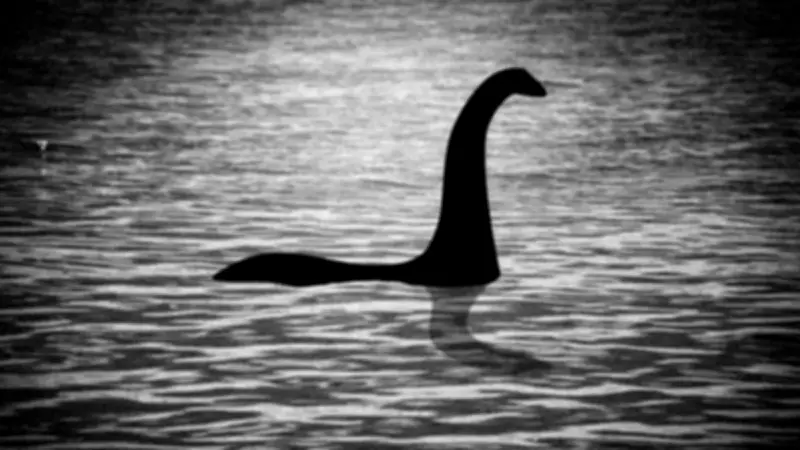
The Enduring Mystery of the Loch Ness Monster
The Loch Ness Monster, affectionately known as Nessie, is one of the world's most famous cryptids, captivating imaginations for nearly a century. Nestled in the Scottish Highlands, Loch Ness provides the perfect backdrop for this enigmatic creature, with its deep, dark waters fueling endless speculation and intrigue.
A Historical Timeline of Sightings and Legends
The modern legend of Nessie began in 1933, when a local newspaper reported a sighting by a couple driving along the loch. This event sparked a media frenzy, leading to numerous subsequent claims. However, references to a water beast in the area date back to ancient times, with Saint Columba allegedly encountering a creature in the River Ness in the 6th century. Over the decades, alleged evidence has included blurry photographs, sonar readings, and eyewitness accounts, though none have been conclusively proven.
The Cultural and Economic Impact of Nessie
Nessie has transcended mere folklore to become a significant cultural and economic force. The monster draws millions of tourists to Scotland annually, boosting local businesses and inspiring a vast array of merchandise, from souvenirs to films and books. This phenomenon highlights how myth can shape reality, fostering community identity and global curiosity.

Despite the allure, scientific scrutiny has often debunked Nessie claims. Studies suggest that sightings may be misidentifications of natural phenomena, such as floating logs, waves, or large fish like sturgeon. In 2018, a DNA survey of Loch Ness found no evidence of prehistoric reptiles but did detect eel DNA, leading some to theorize that giant eels could explain the myth. Skeptics argue that the lack of concrete evidence points to a psychological or sociological explanation rather than a biological one.
The Role of Media and TechnologyAdvancements in technology, from smartphones to drones, have both fueled and challenged the Nessie narrative. While easier access to recording devices has led to more alleged sightings, it has also enabled debunking through enhanced analysis. Social media amplifies the myth, allowing stories to spread rapidly, yet it also fosters critical discussions among enthusiasts and scientists alike.
Why Nessie Continues to Captivate the World
The Loch Ness Monster endures because it taps into universal human themes: the love of mystery, the thrill of the unknown, and the desire to believe in something beyond the ordinary. It serves as a reminder of nature's secrets and our endless quest for discovery. Whether real or imagined, Nessie remains a symbol of wonder, inviting us to explore the boundaries between fact and fiction.

- First modern sighting reported in 1933, igniting global interest.
- Cultural icon driving tourism and media in Scotland.
- Scientific studies often attribute sightings to misidentifications.
- Technology plays a dual role in both promoting and debunking myths.
- Represents a blend of folklore, science, and human curiosity.