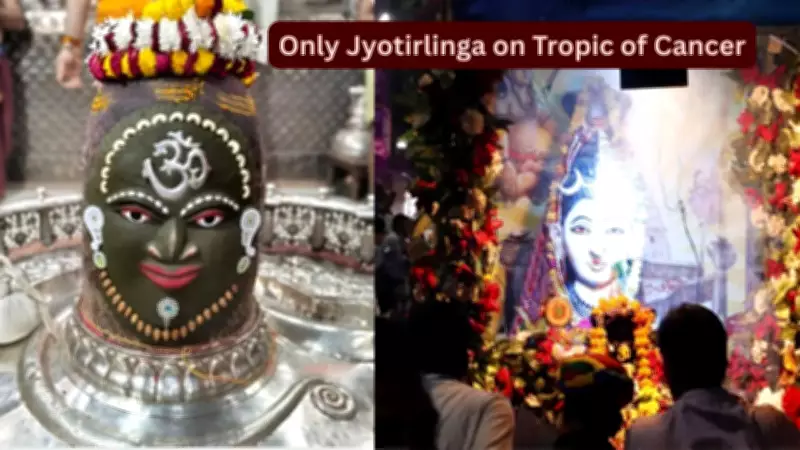
The Unique Power of Mahakaleshwar Jyotirlinga: Where Geography Meets Divinity
Mahakaleshwar in Ujjain stands as a beacon of spiritual energy, drawing devotees from across India and beyond. This sacred site, home to one of the twelve Jyotirlingas, is not merely a temple but a confluence of mythology, history, and unique geographical positioning that amplifies its divine significance.
Origins and Mythological Roots
The history of Mahakaleshwar Jyotirlinga is deeply embedded in Hindu scriptures such as the Skanda Purana and Shiva Purana. According to legend, this is a swayambhu or self-manifested lingam. Lord Shiva appeared here in his fierce form as Mahakal, the ruler of time, to protect his devotees from the demon Dushan. This manifestation underscores the temple's role as a guardian against evil and untimely death.
Geographical Uniqueness
One of the most fascinating aspects of Mahakaleshwar is its location. Ujjain is situated precisely on the Tropic of Cancer, making it the only Jyotirlinga temple in India positioned along this latitude. This geographical feature means the sun appears directly overhead during summer months, a phenomenon that ancient astronomers leveraged. In antiquity, Ujjain served as a prime meridian for astronomical calculations, akin to Greenwich in modern times. This positioning is believed by devotees to influence time itself, with many claiming their lives transform positively after visiting.

Historical Resilience
The temple has endured numerous challenges throughout history. In the 13th century, it faced attacks from rulers like Iltutmish, leading to periods of destruction. However, resilience prevailed, and in the 18th century, the Marathas undertook significant restoration efforts, preserving this sacred site for future generations. This history of destruction and rebirth adds to the temple's aura of endurance and spiritual strength.
The God of Time and Unique Features
Among the twelve Jyotirlingas, Mahakaleshwar holds special importance due to two key factors:
- Geographical Position: Its location on the Tropic of Cancer enhances its mystical appeal.
- South-Facing Lingam: It is the only Dakshinamukhi Jyotirlinga, symbolizing Shiva's supreme power over time and death, a concept that resonates deeply with worshippers.
Bhasma Aarti: A Transformative Ritual
The Bhasma Aarti is a hallmark of Mahakaleshwar, attracting spirituality seekers worldwide. This unique ritual involves bathing the lingam with sacred ash at dawn. Devotees describe it as an intensely emotional experience, often bringing tears and a sense of liberation. It is believed that participating in this aarti grants protection from untimely death and helps break the cycle of life and death, offering a path to moksha or liberation.
Ujjain: A City of Liberation
Ujjain is recognized as one of the seven Moksha-puris in Hinduism, cities believed to grant spiritual liberation. The presence of the holy Shipra River further sanctifies the area, making it a must-visit destination for Shiva devotees. This combination of natural and spiritual elements creates an environment conducive to profound spiritual experiences.
How to Reach Mahakaleshwar
For those planning a pilgrimage, Ujjain is accessible via various modes of transport:
- By Air: The nearest airport is Devi Ahilya Bai Holkar Airport, located approximately 55–60 km away.
- By Rail: Ujjain Junction Railway Station is well-connected to major cities across India.
- By Road: The city boasts a robust highway network, with frequent buses and taxis from Indore, Bhopal, and other nearby urban centers.
Visitors to Mahakaleshwar Jyotirlinga often report transformative experiences, crediting the temple with positive changes in their lives. This powerful site, where mythology, history, and geography converge, offers an otherworldly spiritual journey that continues to inspire awe and devotion.