One of India's most ancient and revered festivals, Makar Sankranti, holds a unique position in the cultural calendar. Unlike many other festivals governed by the lunar cycle, this celebration follows the solar calendar, marking a significant celestial event. The festival heralds the Sun's transition into the zodiac sign of Capricorn, known as Makara, signifying the end of the winter solstice and the beginning of the Sun's northward journey, called Uttarayan.
Makar Sankranti 2026: Clearing the Date Confusion
A common question arises every year: does Makar Sankranti fall on January 14 or January 15? For the year 2026, the confusion is put to rest. According to authoritative sources like Drik Panchang, Makar Sankranti will be observed on January 14, 2026.
The precise moment of the Sankranti, when the Sun enters Makara Rashi, is calculated to be at around 3:13 PM IST. Since this solar transit occurs comfortably within the daytime of the 14th, all major festivities and religious observances are firmly scheduled for that day. The subsequent day, January 15, is not the primary date for the festival in 2026.

Why Does the Date Debate Happen?
The occasional ambiguity between January 14 and 15 stems from traditional astrological calculations. Some regional Panchangs (Hindu calendars) may interpret the tithi or ritual timings based on local sunrise and sunset. If the Punya Kaal—the most auspicious period for rituals—begins very late in the evening, certain observances might extend into the next calendar day.
However, for 2026, the clear afternoon timing of the Sankranti means the Punya Kaal also falls within January 14. This alignment leads mainstream calendars to unanimously designate January 14, 2026, as the official date for nationwide celebration.
The Significance and Celebrations of Makar Sankranti
Makar Sankranti is a multifaceted festival blending astronomy, spirituality, and agriculture. It symbolizes a period of rising positive energy, spiritual growth, and gratitude for the harvest. The day is marked by several core rituals practiced across the country:
- Sacred Bath (Snan): Devotees take early morning dips in holy rivers like the Ganga, Yamuna, and Godavari, believing it purifies the soul and washes away sins.
- Worship of the Sun God (Surya Puja): Offerings of water and prayers are made to the Sun, acknowledging its life-giving energy.
- Charity (Daan): Donating food, clothes, and items like sesame seeds (til) and jaggery is considered highly meritorious.
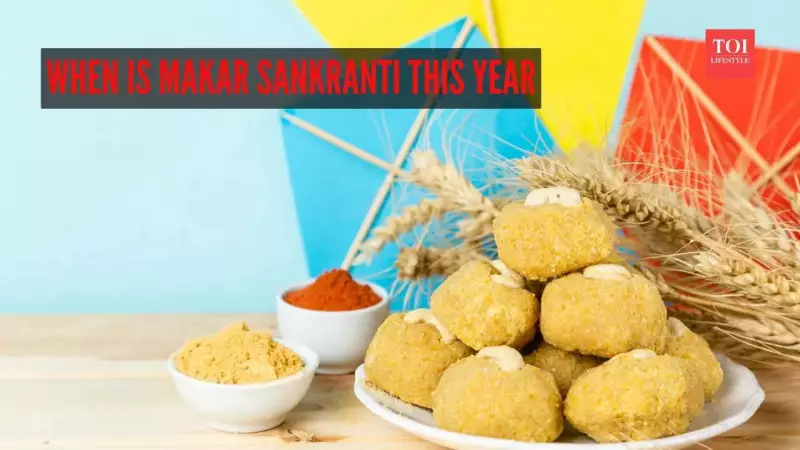
- Festive Feasts: Families prepare and share traditional sweets like til-gud laddoos and savouries, embodying the spirit of warmth and togetherness.
A Tapestry of Regional Names and Traditions
The festival is celebrated with great fervour under different names and customs across India's diverse landscape:
In Gujarat and parts of Rajasthan, the sky fills with colourful kites during Uttarayan. Tamil Nadu celebrates Pongal, a multi-day harvest festival where freshly harvested rice is boiled in milk. In Assam, it is known as Magh Bihu, featuring community feasts and traditional games, while in Bengal, it is observed as Poush Parbon with special sweets.
Ultimately, Makar Sankranti transcends a mere date on the calendar. It is a profound celebration of nature's rhythms, a thanksgiving for agricultural bounty, and a powerful symbol of India's cultural unity amidst dazzling diversity. For 2026, mark your calendars for January 14 to partake in this joyous occasion of renewal and light.