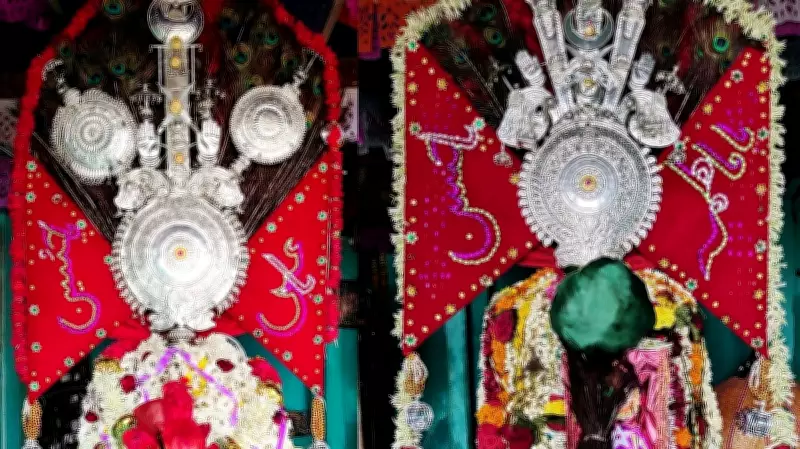
In several villages of Karnataka's Dharwad district, Muharram has become a symbol of interfaith unity, drawing participation from people across all castes and communities. The observance features hereditary responsibilities passed down through generations, with Hindus, Muslims, and others coming together to perform rituals and organize events.
Unique Tradition of Shared Duties
Unlike many parts of India where Muharram is observed primarily by Muslims, Dharwad's villages have a long-standing tradition of collective involvement. Families from different faiths have specific roles such as carrying the alam (standard), preparing offerings, or maintaining the procession route. These duties are inherited and respected by all, fostering a sense of shared ownership.
According to local elders, this practice dates back centuries and has survived communal tensions elsewhere. "In our village, Muharram is not just a Muslim festival; it belongs to everyone. We have Hindu families who have been lighting lamps for the procession for over 200 years," said a senior community leader from Dharwad.

Strengthening Social Bonds
The participation goes beyond symbolism. During Muharram, Hindus and Muslims visit each other's homes, share food, and collectively manage logistics like traffic and security. This mutual cooperation strengthens community ties and sets an example for peaceful coexistence.
A 2023 study by a local university noted that villages with such integrated Muharram observances reported lower instances of communal discord. The report highlighted that over 80% of residents in these villages participate in at least one Muharram-related activity, regardless of their faith.
Impact on Younger Generations
The tradition also educates younger generations about respect and diversity. Schools in the region often incorporate lessons on the festival's inclusive aspects. "Growing up, I saw my father and his Hindu friend working together to organize the procession. It taught me that religion is not a barrier to friendship," recalled a 24-year-old resident of a Dharwad village.
Local authorities have recognized the practice as a model for communal harmony. The district administration occasionally facilitates interfaith dialogues during Muharram to further promote understanding.