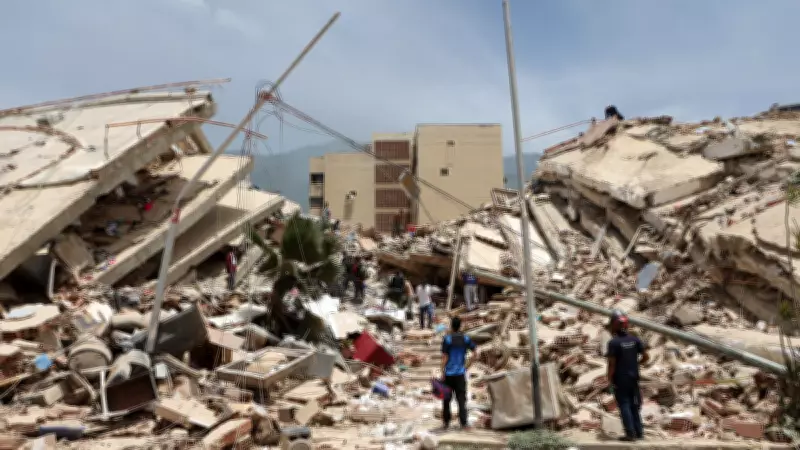
A devastating earthquake series struck Venezuela, leaving 235 people dead and 4,300 injured, according to the latest official figures. Search and rescue operations are ongoing as authorities race against time to find survivors trapped under rubble.
Catastrophic Impact and Casualties
The Venezuelan government confirmed that the death toll has reached 235, with over 4,300 individuals sustaining injuries of varying severity. The earthquakes, which occurred on June 26, 2026, have caused widespread destruction across multiple regions, collapsing buildings and infrastructure. Emergency services have been deployed to the hardest-hit areas, including Caracas and surrounding states.
According to the National Seismological Institute, the main tremor registered a magnitude of 7.8 on the Richter scale, followed by several powerful aftershocks. The initial quake struck at a shallow depth, intensifying its destructive force. Thousands of residents have been displaced, with temporary shelters set up in schools and stadiums.

Search and Rescue Operations Continue
Rescue teams, including military personnel and international aid workers, are working tirelessly to locate survivors. As of the latest reports, more than 150 people have been pulled alive from the debris. However, officials warn that the number of casualties may rise as rescue efforts progress. The government has appealed for international assistance, including medical supplies, heavy equipment, and search dogs.
President Nicolas Maduro declared a state of emergency, mobilizing all available resources. In a televised address, he stated, "This is a tragedy of immense proportions. We are doing everything possible to save lives and provide aid to those affected." The opposition has also called for unity, urging the government to ensure transparent coordination of relief efforts.
Widespread Destruction and Humanitarian Crisis
The earthquakes have caused catastrophic damage to infrastructure, including hospitals, schools, and roads. In the city of Merida, a hospital collapsed, killing dozens of patients and staff. Power outages and communication blackouts have hampered rescue operations, with many areas remaining inaccessible. The government has deployed the military to maintain order and prevent looting.
International organizations, including the United Nations and the Red Cross, have pledged support. A UN spokesperson said, "We are closely monitoring the situation and stand ready to provide humanitarian assistance to the Venezuelan people." Neighboring countries such as Colombia and Brazil have offered to send rescue teams and aid supplies.
Geological Context and Preparedness
Venezuela lies in a seismically active region along the Caribbean Plate boundary. Despite this, building codes and disaster preparedness have been inadequate, exacerbating the destruction. Experts have criticized the lack of enforcement of seismic safety standards, which contributed to the high number of casualties. The government has promised to investigate and improve building regulations.
As rescue operations continue, the focus remains on saving lives and providing medical care to the injured. The full extent of the damage is still being assessed, but early estimates suggest economic losses could run into billions of dollars. The Venezuelan people face a long road to recovery, with the international community rallying to support relief efforts.