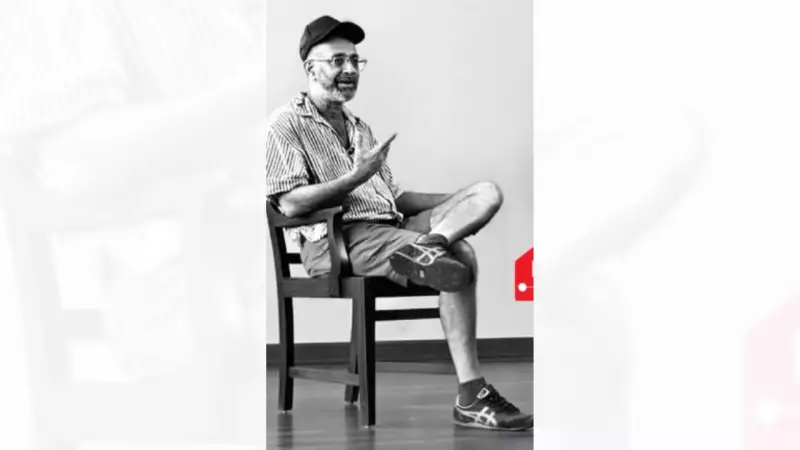
The ongoing Kochi-Muziris Biennale is consciously steering clear of a polished, gallery-style spectacle. Think less wine and cheese, more fried banana fritters. The curator might be in shorts, and several artworks are still finding their final form. In a candid conversation, the Biennale's curator, the acclaimed performance artist Nikhil Chopra, explains his vision to reshape how India experiences contemporary art.
Dismantling Hierarchies and Redefining Art
Chopra, a pioneer of performance art in India, has always pushed boundaries, from his seminal works at New York's Metropolitan Museum of Art to his current curatorial role. His aim for this Biennale is an expansive one. "What interested me here was working with forms that don’t sit neatly in one category," he states. He cites the example of French artist Uriel Barthélémi, whose drumming performance is also a visual work, with the kit programmed to generate live visuals, creating a "multidimensional, multisensory experience."
This philosophy extends to the artist list. His team at HH Art Spaces deliberately placed global icons like Marina Abramovic and Indian master Gulammohammed Sheikh alongside emerging artists without gallery representation. "It was very much about dismantling hierarchy," Chopra asserts. The goal is to level the playing field, allowing younger voices to see their work in dialogue with art history and recognize their own journey's strength.

Art in Motion: Embracing Time and the City
The Biennale firmly challenges the notion of art as static. Works are designed to evolve. Belgian-Nigerian artist Otobong Nkanga is growing a garden at Aspinwall House, which will change over the exhibition's three-month run. Argentine artist Adrián Villar Rojas has installed decaying food in obsolete fridges. "Time becomes a material," Chopra explains, framing the entire exhibition as something to be cultivated.
This ties directly to the theme, 'In Our Veins Flow Fire and Stars', and a focus on ephemerality. "It’s a series of moments," he says, acknowledging the Biennale's temporary nature. This immersion is physical too, with many artists and the curatorial team living in Kochi for months, treating it as a residence.
The city's fabric is deeply woven into the art. Ghanaian artist Ibrahim Mahama sourced local jute sacks stamped with trade marks to transform a Mattancherry warehouse into his "Parliament of Ghosts." "Many artists sourced materials locally, worked with students, carpenters, craftspeople, and technicians here," Chopra notes, emphasizing that the exhibition was a collective effort with Kochi. All contributors are credited in wall texts and the catalogue.
Demystifying Art for Everyone
While positioned outside the commercial art market, Chopra isn't surprised that collectors are eyeing promising artists. "Artists need to sustain their lives. If art can become an agency for them, there’s nothing wrong with it," he says, drawing from his own experience where his drawings and performances sustain each other.
For the many first-time visitors who admit to never having entered a gallery, Chopra's message is one of openness. "It’s okay if audiences don’t understand everything," he stresses, recalling a visitor who said they understood what they liked, and that was sufficient. The Biennale's core function, for him, is "demystifying making, watching, and interacting with art" and showing that art can poetically approach difficult conversations about caste, gender, and more in a safe space.
Addressing early feedback about unfinished works, Chopra is unperturbed. The curatorial note prepared visitors for this process. "People could walk through, see what was there, and also sense that things were still being fixed and tuned," he says. The Biennale, in his view, is an "activation space" that will find its full rhythm over time, inviting everyone to experience art as something dynamic, shared, and profoundly human.