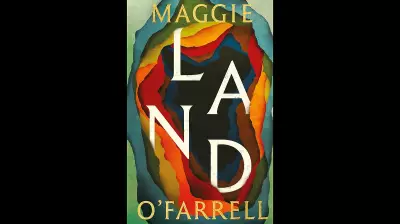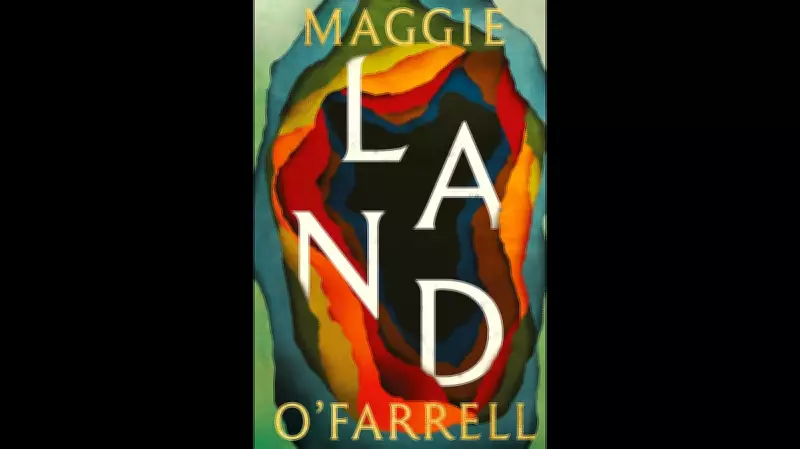
Maggie O'Farrell's latest novel, Land, has arrived with the quiet intensity that defines her best work. The story unfolds across a peninsula where shadows loom large, both literally and metaphorically. O'Farrell, known for her lyrical prose and deep empathy for her characters, once again demonstrates her unique ability to capture the delicate beauty of the natural world, the innocence of children, and the complex bonds between humans and animals. Yet, this novel is not without its dark undercurrents; a sense of fatalism pervades the narrative, potentially alienating readers who prefer more hopeful resolutions.
The Peninsula as a Character
Land is set on a remote peninsula, a place where the landscape itself becomes a central figure. O'Farrell's descriptions of the shoreline, the changing tides, and the rugged terrain are rendered with such precision that readers can almost feel the salt spray and hear the crash of waves. This setting is not merely a backdrop but a force that shapes the lives of the characters, influencing their decisions and fates. The author's preoccupation with the interplay between human agency and natural determinism is palpable throughout.
Tenderness in Nature and Childhood
Few authors write with such tenderness about the small wonders of the world. O'Farrell lingers on the details of a child's hand, the flutter of a bird's wing, or the texture of a leaf. These moments of beauty are juxtaposed with the harsh realities of life, creating a tension that drives the narrative. The children in Land are especially vivid, their perspectives offering a lens of innocence that contrasts with the adult world's complexities. O'Farrell's ability to inhabit their minds is remarkable, making their joys and fears deeply resonant.

A Fatalistic Undertone
However, O'Farrell's worldview tends toward fatalism, and this is no exception. The characters often seem trapped by their circumstances, and the plot unfolds with a sense of inevitability that can be both compelling and frustrating. According to critic Saudha Kasim, this preoccupation with fatalism may not appeal to everyone. The novel does not offer easy answers or redemptive arcs; instead, it presents life as a series of choices constrained by forces beyond control. This philosophical stance gives the story weight but may leave some readers feeling unsettled.
Style and Structure
O'Farrell's prose is as elegant as ever, with sentences that flow like poetry. She employs a non-linear narrative, weaving past and present together to reveal the characters' histories gradually. This technique adds depth but requires careful attention. The pacing is deliberate, allowing for moments of reflection amidst the unfolding drama. The novel's structure mirrors the ebb and flow of the tide, reinforcing themes of cyclical time and inevitability.
Reception and Significance
Early reviews have praised Land for its emotional depth and vivid imagery, though some have noted its somber tone. It continues O'Farrell's exploration of themes such as loss, memory, and the passage of time. For readers who appreciate literary fiction that challenges optimistic conventions, this novel will be a rewarding experience. Those seeking a light-hearted escape may find it heavy. Regardless, Land solidifies O'Farrell's reputation as a master of atmospheric storytelling and a keen observer of the human condition.