Ramadan 2026: Projected Dates for India and Eid ul-Fitr Celebrations
As the Islamic calendar follows the lunar cycle, precise dates for religious observances like Ramadan and Eid ul-Fitr are determined by moon sightings. For the year 2026, astronomical predictions indicate that the holy month of Ramadan is expected to begin on Tuesday, February 17, 2026, in India. This projection is based on calculations of the new moon's visibility, which marks the start of the ninth month in the Islamic Hijri calendar.
Understanding the Lunar Calendar and Date Predictions
The Islamic calendar is approximately 10 to 11 days shorter than the Gregorian solar calendar, causing Ramadan to shift earlier each year. In 2026, this shift places Ramadan in the month of February, a time when fasting hours may be relatively moderate compared to summer months. It is important to note that these dates are tentative and subject to confirmation by local moon-sighting committees across India. Authorities such as the Jamiat Ulama-i-Hind or state-level bodies will make official announcements closer to the time, after verifying the crescent moon's appearance.
Eid ul-Fitr 2026: Expected Celebrations and Significance
Following 29 or 30 days of fasting, prayer, and reflection, Ramadan culminates in the joyous festival of Eid ul-Fitr. Based on the projected start date, Eid ul-Fitr in 2026 is likely to fall on Thursday, March 19, 2026. This festival, known as the "Festival of Breaking the Fast," is a time for communal prayers, feasting, and charity. Muslims across India will gather in mosques and open grounds for special Eid prayers, exchange greetings, and share meals with family and friends. The exact date, however, will depend on the actual sighting of the Shawwal moon, which may lead to adjustments by a day or two.

Preparations and Cultural Impact in India
In India, with its diverse Muslim population, Ramadan and Eid ul-Fitr are observed with great fervor and cultural richness. Key aspects include:
- Fasting and Spirituality: Muslims abstain from food, drink, and other physical needs from dawn to sunset, focusing on prayer, Quran recitation, and acts of charity.
- Community Iftars: The evening meal to break the fast, known as Iftar, often becomes a community event, with mosques and households hosting gatherings.
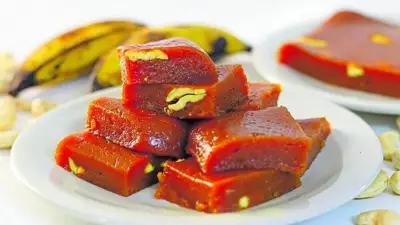
- Eid Preparations: In the days leading up to Eid, markets buzz with activity as people shop for new clothes, sweets, and gifts. Traditional dishes like seviyan (vermicelli pudding) are prepared.
- Regional Variations: Celebrations may vary slightly across states like Uttar Pradesh, Kerala, West Bengal, and Jammu and Kashmir, reflecting local customs and traditions.
While these dates for Ramadan 2026 and Eid ul-Fitr are based on current astronomical data, Muslims in India await official confirmations to align their observances with the lunar calendar. This period not only strengthens faith but also fosters unity and generosity within communities.