Satish Gujral Centenary Exhibition Opens at National Gallery of Modern Art
The late legendary artist Satish Gujral once eloquently stated, "The function of art, above all, is to contribute to man’s understanding of himself and the world he lives in." This profound philosophy is vividly brought to life in Satish Gujral 100: A Centenary Exhibition, a major retrospective inaugurated recently at the National Gallery of Modern Art (NGMA) in New Delhi. The exhibition commemorates the centenary of Satish Gujral, born in 1925, and marks a significant milestone in the celebration of his enduring legacy in Indian modern art.
A Comprehensive Showcase of Seven Decades of Artistry
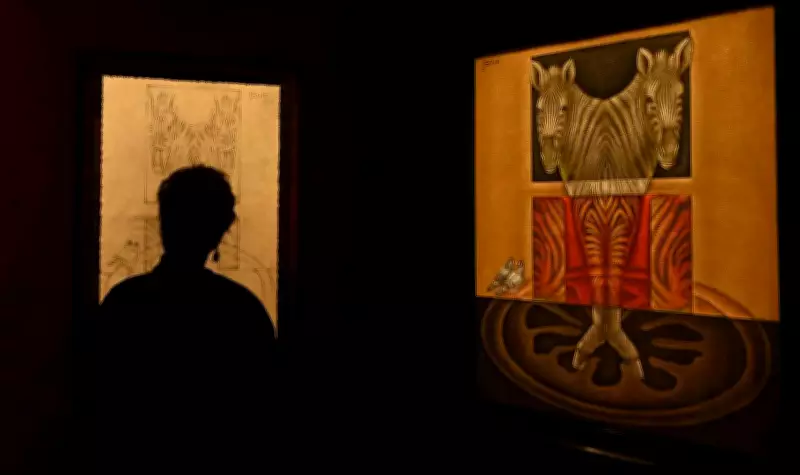
Presented by the NGMA in collaboration with the Gujral Foundation, this ongoing exhibition offers a deep dive into Gujral's seven-decade engagement with material, form, memory, and space. It features an impressive collection of over 150 works, meticulously curated to represent his vast and diverse body of work. Visitors can explore a rich array of artistic expressions, including:
- Detailed sketches that capture the essence of his creative process
- Vibrant paintings reflecting his evolving stylistic language
- Imposing sculptures that challenge conventional forms
- Monumental murals that narrate stories of cultural and political significance
The exhibition serves as a unique opportunity to engage with Gujral's ideas, art, and legacy, providing insights into his journey from the trauma of Partition to reflections on everyday life rhythms. His works emerge as powerful repositories of lived experience and memory, resonating with themes of empathy, playfulness, poignancy, and joy.

Insights from Curators and Family Members
During a special walkthrough, curator Kishore Singh highlighted the dynamic nature of Gujral's artistic evolution. "Over the years, in his artworks his language changes, the expressions change. His art ranged from the empathetic to the playful, from the poignant to the joyful. It came from a place of silence," Singh observed, emphasizing the depth and versatility of Gujral's creative output.
Mohit Gujral, Satish Gujral's son, shared personal reflections on the exhibition's significance. "The exhibition showcases the diversity of the person that my father was. Through this exhibit, you will discover two people today. One was a great artist, whose foundation was his strife and his suffering, which defined the beginning of his life. And the second part you will see is my mother, Kiran, who was all over the show, who was symbiotic as his partner, who I think helped define the second-half of who he was," he remarked, underscoring the integral role of family in Gujral's artistic journey.
A Living Archive and Retrospective Journey
The exhibition goes beyond mere display by recreating Gujral's studio, transforming a section into a living archive of his creative world. This immersive space features his brushes, photographs, and diary notes, offering visitors an intimate glimpse into his creative process and daily inspirations.
Sanjeev Kishor Goutam, Director General of NGMA, emphasized the exhibition's broader cultural importance. "Satish Gujral occupies a pivotal place in the story of Indian modern art. This exhibition is a celebration of the artist, the sculptor, the muralist, the architect and his entire life journey," he stated, highlighting Gujral's multidisciplinary contributions and his impact on the art world.
Celebrating a Legacy of Courage and Experimentation
The centenary exhibition is not only a moment of remembrance but also an invitation to engage with Satish Gujral's ideas, courage, and lifelong experimentation across disciplines. It traces his journey from Jhelum to Bombay, then to Mexico and back, navigating diverse cultural and political landscapes that shaped his artistic vision.
Some of his later artworks are noted for their luminous quality, adding a radiant dimension to his oeuvre. The exhibition has attracted attention from various dignitaries and art enthusiasts, including notable figures from the art and cultural spheres, further cementing Gujral's status as a cornerstone of Indian modern art.

This retrospective stands as a testament to Satish Gujral's enduring influence, inviting audiences to explore the depths of his artistic legacy and the timeless relevance of his work in understanding the human condition and the world around us.