

The Enduring Magic of Traditional Childhood Games
In an era dominated by smartphones and digital entertainment, the simple, unstructured play of yesteryears holds a profound and timeless appeal. Traditional childhood games, from hide-and-seek to hopscotch, were more than mere pastimes; they were vibrant social rituals that wove the fabric of community and nurtured essential life skills.
Fostering Community and Creativity
These games thrived in shared spaces—streets, parks, and backyards—where children of diverse backgrounds came together spontaneously. Unlike today's often solitary digital play, activities like tag or marbles required physical interaction, negotiation, and teamwork. Players learned to resolve conflicts, take turns, and collaborate, building social bonds that often lasted a lifetime.
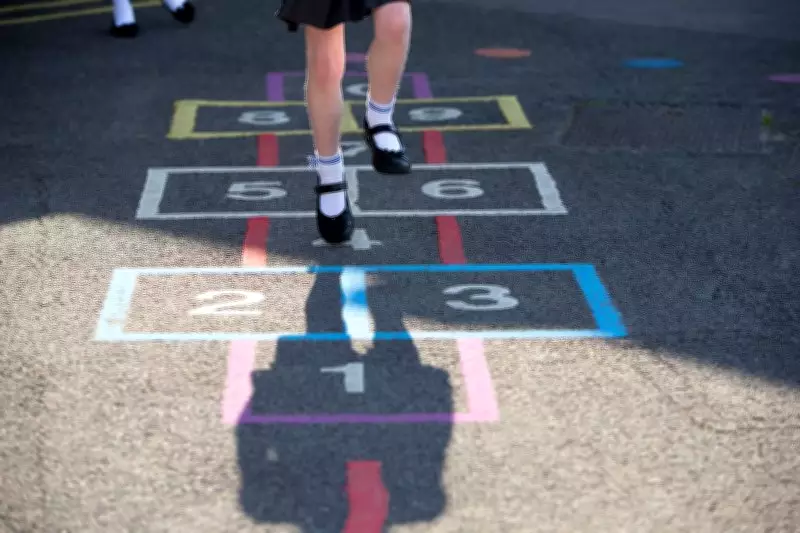
The absence of expensive toys or structured rules fueled creativity. A piece of chalk could transform a pavement into a hopscotch grid, while a simple ball sparked endless variations of catch. This resourcefulness encouraged problem-solving and imagination, skills that are increasingly valuable in a fast-paced world.

Contrasting with Modern Digital Play
Today's children are often immersed in virtual worlds, where play is frequently solitary or mediated through screens. While digital games offer their own benefits, such as cognitive challenges, they lack the tactile, face-to-face engagement of traditional play. The physical exertion, spontaneous laughter, and shared triumphs of outdoor games provided a holistic development that balanced mind and body.
Studies suggest that unstructured play enhances emotional resilience and reduces stress. The freedom to invent rules or adapt games on the fly taught flexibility and adaptability, qualities that are crucial in adulthood.
Preserving a Cultural Legacy
Many traditional games are deeply rooted in cultural heritage, passed down through generations. They reflect local customs, languages, and environments, offering a window into communal histories. As urbanization and technology advance, there's a growing risk of these games fading into obscurity.
Efforts to revive them—through school programs, community events, or parental initiatives—can help preserve this intangible cultural wealth. By reintroducing children to these activities, we not only promote physical health but also strengthen intergenerational connections and cultural identity.
The Universal Language of Play
Despite regional variations, the core joy of these games transcends borders. Whether it's kabaddi in India, skipping rope in Europe, or jacks in the Americas, the essence remains the same: shared laughter, friendly competition, and the pure delight of play. This universality reminds us of our common humanity, even in a fragmented world.
In conclusion, traditional childhood games are not mere relics of the past but vital tools for holistic development. They teach empathy, creativity, and community spirit in ways that digital alternatives often cannot replicate. As we navigate an increasingly digital future, cherishing and reviving these games can enrich our lives, fostering a sense of belonging and joy that endures long after childhood fades.






