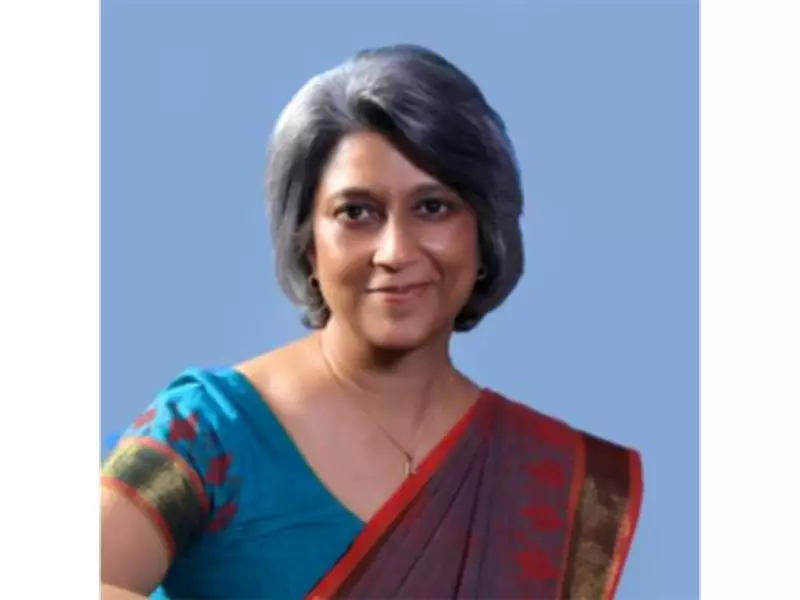
Sri Lanka High Commissioner Mahishini Colonne Celebrates Rare Exposition of Devnimori Relics
In a momentous event that bridges cultural and spiritual ties, Sri Lanka's High Commissioner to India, Mahishini Colonne, has expressed deep appreciation for the rare exposition of the Devnimori relics. This significant occasion marks a pivotal moment in the preservation and sharing of Buddhist heritage, highlighting the enduring connections between India and Sri Lanka.
A Historic Cultural Milestone
The Devnimori relics, discovered in the early 1960s in Gujarat, India, represent a crucial archaeological find from the ancient Buddhist site of Devnimori. These artifacts, which include bone fragments and other sacred items, are believed to date back to the 2nd century BCE, offering invaluable insights into the spread of Buddhism in the region. The exposition of these relics is a rare event, as they are typically kept in secure storage to ensure their preservation for future generations.
High Commissioner Mahishini Colonne emphasized the spiritual significance of this exposition, noting that it serves as a rare blessing for both nations. In her remarks, she highlighted how such events foster mutual respect and understanding, reinforcing the shared historical and religious bonds that have long connected India and Sri Lanka. The exposition is seen as an opportunity to promote peace and harmony, aligning with the core teachings of Buddhism.

Strengthening Bilateral Relations Through Heritage
This exposition is not merely a cultural display but a strategic initiative to enhance diplomatic and people-to-people ties. By showcasing these ancient relics, authorities aim to educate the public about the rich Buddhist legacy in South Asia and its role in shaping regional history. High Commissioner Colonne pointed out that such initiatives contribute to a deeper appreciation of shared heritage, which can pave the way for increased collaboration in areas like tourism, education, and cultural exchange.
The event has garnered attention from historians, archaeologists, and spiritual leaders, who view it as a testament to the enduring relevance of ancient artifacts in modern times. The careful curation and presentation of the Devnimori relics underscore the importance of preserving cultural treasures for posterity, while also making them accessible to a wider audience.
Implications for Future Cultural Exchanges
Looking ahead, the exposition of the Devnimori relics sets a precedent for future cultural exchanges between India and Sri Lanka. High Commissioner Mahishini Colonne expressed hope that this event will inspire similar collaborations, such as joint archaeological projects, exhibitions, and academic research. By leveraging shared heritage, both nations can build stronger, more resilient relationships that transcend political and economic considerations.
In conclusion, the rare exposition of the Devnimori relics, as celebrated by High Commissioner Mahishini Colonne, stands as a beacon of cultural diplomacy. It reminds us of the power of history and spirituality to unite people across borders, offering a rare blessing that enriches our collective human experience. As these ancient artifacts continue to inspire awe and reverence, they reinforce the timeless bonds that connect India and Sri Lanka in a shared journey of discovery and peace.