

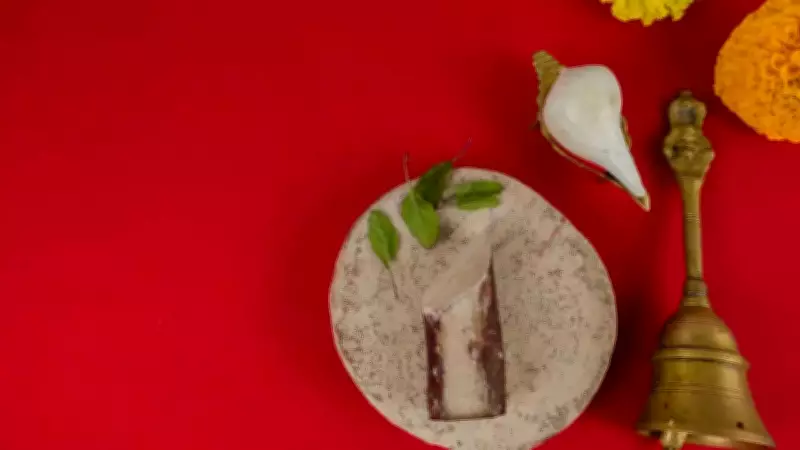
The Sacred Significance of Sandalwood in Indian Rituals and Culture
Have you ever entered a temple or holy shrine and felt instantly enveloped by the subtle, enchanting fragrance of Chandan? This aroma, derived from sandalwood, is a cornerstone of Indian spiritual practices, but its importance goes far beyond mere scent. Let's explore why Chandan remains at the heart of rituals and what makes it so revered.
Why Chandan is Considered Sacred
In Hindu culture, rituals are often deemed incomplete without the presence of sandalwood. It is regarded as one of the most precious offerings to deities, symbolizing devotion and purity. During puja or daily worship, applying a chandan ka tika (paste mark) to idols is a common practice, believed to honor the divine with something of great value.
The process of preparing sandalwood paste itself is ritualistic. A piece of sandalwood is rubbed on a stone with water to create a smooth paste, requiring time, patience, and effort. This act teaches a deeper lesson: meaningful outcomes in life, whether spiritual or personal, demand dedication and perseverance. Sandalwood's fragrant properties make it ideal for religious ceremonies, but its uses extend to skincare and aromatherapy, highlighting its versatility.

According to Indian astrology, sandalwood is associated with attracting success, wealth, and fame. Its cooling effect on the body is particularly beneficial in hot climates, and adding sandalwood oil or powder to bathing water can calm the mind, reduce stress, and enhance positivity, making it a holistic tool for well-being.
The Symbolism of the Chandan Tika
For centuries, applying a chandan tika on the forehead has been a significant practice. This spot, between the eyebrows, is considered a divine location that harnesses spiritual energies. The application is believed to calm the mind, bring peace during prayer or meditation, and act as a reset button for a stressed brain, fostering mental clarity and focus.
Among various tilaks, the one made from sandalwood is especially popular. It not only provides a cooling sensation but also aligns the Agnya Chakra (the third eye), aiding concentration during spiritual practices. The drying of the paste further enhances this effect, while sandalwood's properties are thought to stimulate the pineal and pituitary glands, supporting their functions.
Unique Aspects of Sandalwood Growth and Use
The growth of sandalwood trees offers a metaphorical lesson: it takes many years for the wood to develop its pleasant fragrance, symbolizing that inner strength and spiritual growth require patience and gradual development. This idea resonates deeply in rituals, where slow, mindful practices are valued.
Sandalwood is also used as incense to purify the air in homes and temples. The smoke is believed to cleanse the environment and uplift moods, making it difficult for anger or stress to persist. When people smell this fragrance, it fosters a sense of unity and shared experience, enhancing communal harmony.
Chandan in Mythology and Cultural Practices
Sandalwood is deeply woven into Indian mythology, symbolizing purity, divinity, and a calming connection to the sacred. In Hindu lore, it is linked to Goddess Parvati, who is said to have created Lord Ganesha from sandalwood paste used in her bath. This mythological association underscores why chandan is considered essential in deity worship.
It is also believed that sandalwood originates from divine forests where deities reside, adding to its mystical aura. Culturally, the application of a Chandan tilak transcends mere ritual; it is a practice aimed at calming the Agna Chakra, promoting mental clarity and spiritual focus during meditation.
Whether used as incense for air purification, a paste for anointing idols, or a key ingredient in Ayurvedic healing, Chandan represents an enduring link between the physical earth and the spiritual realm. It embodies the fragrance of the soul, bridging tradition with holistic health in a way that continues to resonate across generations.






