

World's Oldest Beer Receipt Uncovered in Mesopotamian Clay Tablet
Archaeologists have made a remarkable discovery that provides a humanizing glimpse into daily life four millennia ago. Researchers from Denmark have identified what appears to be the world's oldest known beer receipt, recorded on a small clay tablet from ancient Mesopotamia. This extraordinary find offers unprecedented insight into the economic systems of one of humanity's earliest civilizations.
Danish Museum Archives Yield Historic Discovery
The groundbreaking discovery emerged during a comprehensive review of museum collections in Denmark. Scholars from the National Museum of Denmark and the University of Copenhagen were conducting research as part of the Hidden Treasures: The National Museum's Cuneiform Collection project when they translated several previously unstudied inscriptions. Among these ancient texts, they identified one as an administrative receipt specifically documenting beer supplies.
This finding underscores the increasing importance of re-examining stored archaeological collections with modern expertise. Many significant discoveries now originate not from new excavations but from fresh analysis of artifacts that have been in museum archives for decades, awaiting proper study and interpretation.

Detailed Contents of the Ancient Beer Transaction
The clay tablet, written in cuneiform script, records a specific transaction involving beer supplies delivered by a man named Ayalli. According to the translated text, the delivery included:
- 16 litres of high-quality beer
- 55 litres of ordinary beer
Archaeologists believe this beer was likely distributed as wages, rations, or provisions for a group of workers in the Sumerian city of Umma. Dr. Troels Arboll, one of the researchers involved in the study, explained that several texts in the museum collection mention beer being used as payment, confirming that these documents served as administrative records or receipts for transactions.
Connection to the Ancient City of Umma
The tablet has been linked to Umma, a major Sumerian city located in what is now southern Iraq. During the third millennium BC, Umma was renowned for its organized agricultural systems, sophisticated labor management, and extensive written administration. Thousands of clay tablets from this region document various aspects of daily life, including:
- Grain deliveries and agricultural production
- Livestock accounts and animal management
- Land disputes and property records
- Worker allocations and labor organization
The beer receipt fits perfectly within this broader context of a highly managed urban society that required detailed record-keeping to function effectively. Early cities like Umma developed writing systems precisely because human memory alone could not adequately manage complex systems of taxation, harvest distribution, and labor obligations at scale.
The Cultural and Nutritional Significance of Beer in Mesopotamia
Beer held tremendous importance in ancient Mesopotamian society, serving as one of the most common beverages consumed across all social strata. Workers, households, and officials all regularly consumed beer, which often formed part of standard compensation packages. As historian Tate Paulette has noted, "Beer was the beverage of choice in Mesopotamia" and being Mesopotamian was, in many fundamental ways, synonymous with drinking beer.
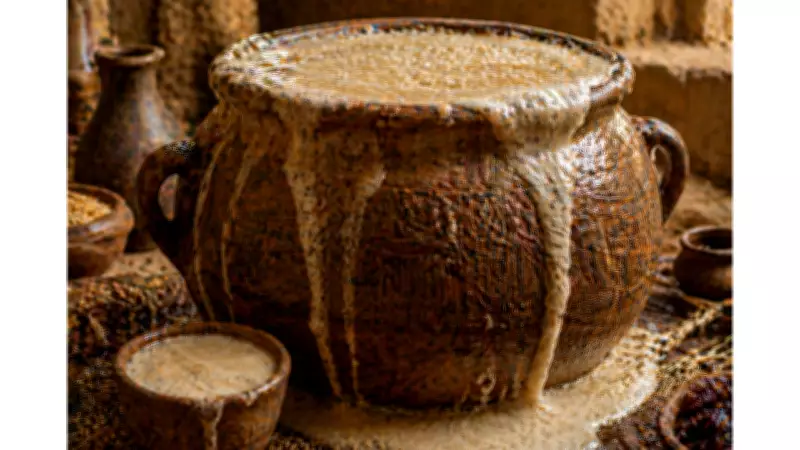
Ancient Mesopotamian beer differed significantly from modern varieties. Brewers typically used ingredients like barley bread, dates, or honey, resulting in thicker, cloudier beverages that were sometimes consumed through straws to avoid floating grain residue. Beyond its social and cultural functions, beer also provided nutritional value, which helps explain why it could effectively serve as part of workers' wages.

Challenging Popular Perceptions of Ancient Writing
This discovery challenges common assumptions about the primary purposes of early writing systems. While many people imagine that ancient scripts were used mainly for literature, religious texts, or royal monuments, archaeological evidence consistently shows that practical administrative functions dominated early writing. Lists, tax records, receipts, and inventories constitute the majority of surviving texts from many ancient civilizations.
Dr. Troels Arboll emphasized this point, noting that it's not surprising to find "something as commonplace as a very old receipt for beer" among ancient tablets. This perspective highlights a fundamental principle in archaeology: everyday administrative documents can be just as historically valuable as more spectacular finds like treasure hoards or royal inscriptions.
Broader Implications for Understanding Ancient Society
The beer receipt stands out precisely because it focuses on ordinary workers and their supplies rather than rulers, wars, or religious ceremonies. Such records enable scholars to reconstruct how common people lived, what they consumed, how they were compensated for their labor, and how institutions functioned on a daily basis. In this sense, the tablet serves as both an economic document and a social record of ancient life.
The discovery also demonstrates that bureaucratic systems are far older than many people realize. Four thousand years ago, officials in Sumerian cities were already tracking quantities, monitoring quality standards, and recording deliveries with remarkable precision—administrative practices that remain recognizable to modern accountants and business managers.
Additional Findings from the Danish Research Project
The same research initiative that uncovered the beer receipt also translated other significant tablets from the ancient Middle East. These additional discoveries included texts dealing with:
- Ritual practices and ceremonial procedures
- Political authority and governance structures
- King lists blending historical records with legendary narratives
- References to anti-witchcraft ceremonies and spiritual beliefs
These varied findings demonstrate the incredible range of subjects preserved in cuneiform writing, spanning from spiritual fears and magical practices to mundane office accounting and administrative management.
Why This Ancient Receipt Matters Today
The beer receipt resonates with modern audiences because it feels unexpectedly contemporary. The document records goods, supplier names, and quantities in a format that any accountant, business manager, or supply chain professional would recognize immediately. Despite the vast temporal separation of four millennia, the fundamental concerns remain familiar: supplies delivered, workers compensated, and records maintained for accountability.
For archaeologists and historians, this continuity represents a powerful connection across time. While grand monuments and royal inscriptions tell us how rulers wanted to be remembered, administrative documents like this beer receipt reveal how societies actually functioned on a daily basis. The clay tablet may be modest in physical size, but it carries outsized historical significance, creating a tangible link between our modern world and the laborers, brewers, and administrators who lived and worked four thousand years ago.
Their message was simple, practical, and focused on the necessities of daily life—yet it has survived longer than most empires, offering us a precious window into the human experience across the centuries.





