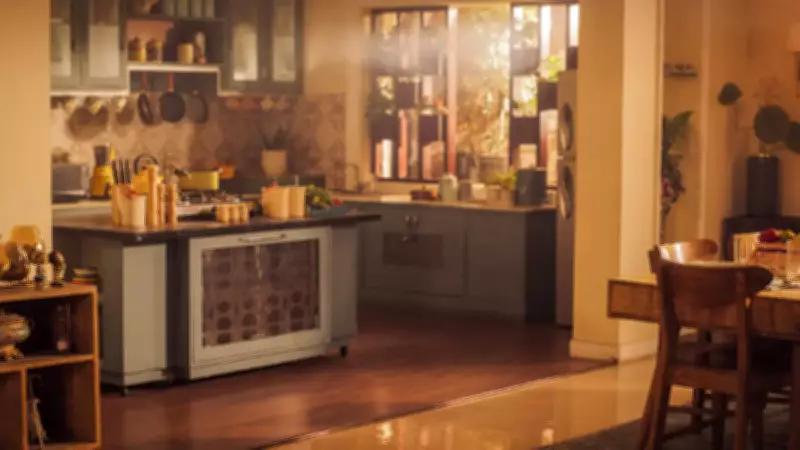
The modern urban kitchen looks sleek, organised, presentable, and mostly technology-driven. From single-touch chimneys to AI-operated food processors and microwaves, everything is designed for convenience. However, one thing missing from these kitchens is the beauty of personal touch—a touch that came from wooden mathani or sil batta. Before mixer-grinders, food processors, and non-stick cookware became commonplace, Indian kitchens relied on manual tools that shaped the taste and texture of food differently. Here are eight traditional kitchen tools that are becoming increasingly rare in modern city homes.
Wooden Mathani
This traditional hand-held churner was used in Indian kitchens to churn curd into buttermilk, lassi, and butter. Crafted from wood and designed with a series of blades or grooves at one end, it was operated by rotating the churner between the palms or using a rope mechanism. This rhythmic motion separated butter from cream, a process now replaced by electric blenders.
Supa
Also known as a winnowing fan, this tool was made of woven bamboo, cane, or palm leaves. It was used to clean grains, rice, pulses, and spices by separating husks, dust, and other impurities. With packaged and pre-cleaned ingredients readily available, the supa has largely disappeared from urban kitchens. Its broad, shallow structure allowed grains to be tossed gently, letting lighter particles blow away while heavier grains settled back.

Sigdi
Also called a traditional charcoal stove, the sigdi was a common cooking appliance before LPG cylinders, induction cooktops, and modern gas stoves became household staples. Made of clay, iron, or metal, it was used for preparing daily meals, boiling water, and roasting ingredients over an open flame.
Hashua
This tool was traditionally used to cut hard-skinned vegetables such as jackfruit and mangoes. In rural communities, it also served for harvesting crops, cutting grass, and preparing agricultural produce. Typically made of iron with a sharp, crescent-shaped blade and a wooden handle, the hasua was valued for its durability and versatility. Modern knives and food processors have made it obsolete in many homes.
Jata
Jata refers to a hand-operated stone mill or chakki that was once integral to Indian kitchens. It consists of two circular stone discs stacked on top of each other, with a wooden handle to grind grains such as wheat, millet, maize, and pulses into fresh flour. Operating it manually requires patience and strength. With the rise of mechanized flour mills and packaged atta, the jata gradually disappeared from urban kitchens.
Coconut Scraper
While desiccated coconut is now easily available in packets, there was a time when people scraped it manually at home for fresh use. The tool was traditionally made of metal with a serrated blade mounted on a wooden stool or stand. It allowed cooks to efficiently extract fine shreds of coconut directly from the shell, a practice that has largely been replaced by packaged alternatives.
Wire Roaster
Amidst Instagrammable glass and metal cookware, this simple tool has also vanished from kitchens. Before microwaves, sandwich makers, and grill pans, the wire roaster was a common Indian kitchen tool used to roast food directly over an open flame. Made of iron or steel mesh attached to a long handle, it was used to roast papad, brinjal, tomatoes, peanuts, corn on the cob, and even spices. The open-grid design allowed ingredients to cook evenly while absorbing a distinctive smoky flavour, difficult to replicate with modern appliances.
Sil Batta
Before mixer grinders and blenders made their way into Indian kitchens, sil batta was the saviour for crushing and blending for centuries. It consists of a flat stone slab and a cylindrical grinding stone. Used to make chutneys, spice pastes, and masalas, many cooks still believe that stone-grinding releases natural oils and flavours better than electric mixers.