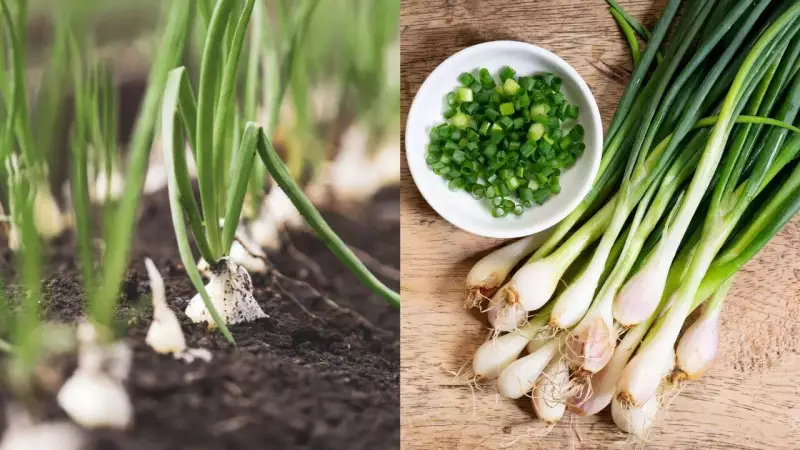
As grocery bills climb and food waste becomes a pressing concern, a humble kitchen staple is emerging as a hero for urban gardeners. Spring onions, once just a flavourful addition to soups and salads, are now being celebrated for their remarkable potential in home cultivation. Their quick growth, versatility, and unique ability to regrow from scraps make them an ideal, achievable project for anyone with limited space, from apartment balconies to small kitchen windowsills.
Why Spring Onions Are Perfect for Home Gardens
Spring onions, also known as green onions or scallions, are the young, immature plants of the Allium species, harvested before a bulb fully forms. Unlike regular onions, they feature a long green stalk and a tender white base. Scientifically, they are an excellent example of rapid vegetative multiplication and easy regeneration, offering a practical lesson in plant biology for cooking enthusiasts.
Their shallow root system allows for fast leaf production, making them well-suited for successive harvesting. Nutritionally, they are a source of vitamins A and C, folate, and antioxidants typical of the Allium family, which includes garlic and leeks. Their mild flavour, lacking a strong pungent smell, makes them versatile for both raw and cooked dishes in Asian, Mediterranean, and European cuisines. The entire plant, from green stalks to white base, is edible.

Step-by-Step: Growing Spring Onions from Scraps
You don't need seeds or expert skills to start. One of the most popular methods, endorsed by resources like the University of California Agriculture and Natural Resources, uses kitchen scraps. The key is preserving the plant's basal plate, where new roots and shoots generate.
The process is simple: save the root ends of your store-bought spring onions, ensuring they are about 2 to 3 centimetres long. You can start the regrowth in a shallow container of water, placing it on a windowsill or balcony with indirect light. New green leaves will quickly appear. For sustained, long-term growth and stronger leaves, transplanting these regenerated shoots into soil is highly recommended. Use loose, well-drained compost for best results.
Essential Care for Healthy Spring Onions
While low-maintenance, spring onions need consistent care for a good yield. Watering is critical; the soil should be kept moist but never waterlogged, as both drought and sogginess harm the roots. For water-grown plants, change the water every two to three days. They thrive in full, indirect light, which ensures rich green colouration—inadequate light leads to pale, thin leaves. An average indoor temperature is suitable. Watch for yellowing leaves, a sign of poor drainage or insufficient light. Adding compost intermittently supports repeated regrowth.
Harvesting Your Homegrown Bounty Again and Again
The true magic of spring onions lies in their regenerative power. To harvest without killing the plant, use sharp scissors to cut the green leaves above the white base, avoiding damage to the growth node. New leaves will typically regrow within five to seven days. Allowing intervals between harvests helps the plant recover and ensures long-term productivity. Plants grown in soil generally survive longer and yield more than those kept solely in water. Note that older leaves may develop a stronger flavour due to higher sulfur content, a natural trait of Allium vegetables.
From Garden to Kitchen: Fresh Flavours Everyday
Homegrown spring onions create a direct, waste-free link between your garden and kitchen. You can harvest exactly what you need, preserving texture and water-soluble vitamins often lost in store-bought produce that sits for days. The fresh, mild stalks are perfect for garnishing curries, salads, and soups, while the white bases add a subtle onion character to cooked dishes. This continuous cycle of growth and use makes them a rewarding component of sustainable home cooking.