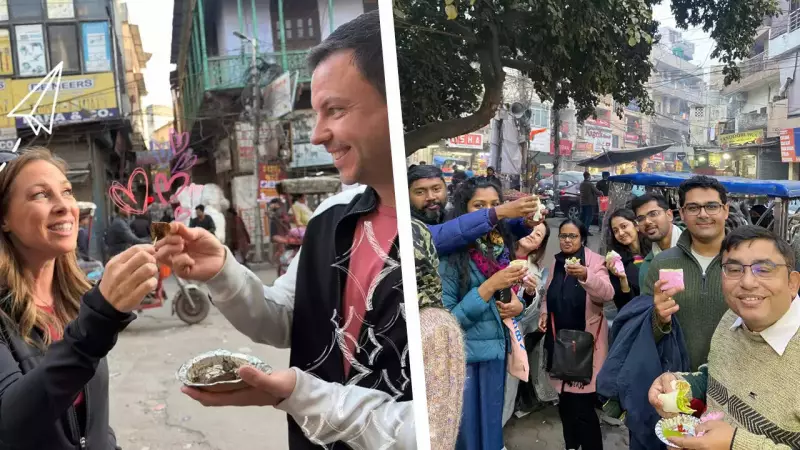
As the winter chill sets in, Delhi's air quality might dip, but the city's appetite for culinary exploration reaches its peak. The season transforms into the perfect time to bundle up and embark on immersive food walks, tracing centuries of history and global influences through iconic dishes. From the bustling lanes of Shahjahanabad to the vibrant enclaves representing diverse cultures, these trails offer much more than just a meal—they are a journey through Delhi's living heritage.
A Feast of History in Old Delhi's Lanes
The heart of this culinary movement beats strongest in the historic quarters of Old Delhi. Heritage walk leader Asif Khan Dehlvi recently guided participants through Shahjahanabad, where they savoured winter-specific delights like daulat ki chaat, bedmi poori, and halwa. For Rohan Kumar (Being Dilliwaala), who has been leading Old Delhi walks since 2015, winter officially begins with the frothy, delicate daulat ki chaat. His trails are a carefully curated balance of flavours and food histories, featuring nagori halwa, pre-Partition style chhole poori, and stories tracing the Persian roots of the jalebi.
Raghuveer Jadon of The Delhinama sees these walks as a way to read Delhi through its plates. His tours highlight how Delhi's cuisine carries global influences. Morning trails feature vegetarian classics like chhole kulche and jalebi, while non-vegetarian explorations near Jama Masjid include fish fry and tikkas. He notes that despite modern changes, like coal tandoors giving way to electric grills, Old Delhi's rich curry traditions remain deeply rewarding for any food lover.

Beyond the Walled City: Global Flavours on Delhi's Plate
The food walk phenomenon extends far beyond the old city walls, turning neighbourhoods into gateways for global culinary exploration. In Zakir Nagar, the experience is intensely sensory. Saleha, who began leading walks with INTACH in 2021, describes kebabs coming straight off the seekh, still sizzling. She emphasises that the joy of chapli kebabs, biryani, hot tea, and chilled ras malai is in experiencing them on-site—"pack kar ke woh maza hi nahi aata" (the fun is lost in packing them).
Her walks, which include an Afghan food trail in Lajpat Nagar and Bhogal, focus on coexistence through cuisine. Participants explore Afghan street food, bakeries, and distinctive breads while discussing the refugee experience and the cultural value the community adds to Delhi. For Rohan Monga and Abhishek Bhasin of Namastey Culture, areas like Majnu ka Tila and Humayunpur have significantly expanded Delhi's palate. Majnu ka Tila, anchored by spots like AMA Cafe, offers Tibetan comfort food like momos, thukpa, and the cult-favourite laphing. Humayunpur, with restaurants like Hornbill and The Categorical Eat Pham, serves bamboo shoot curries and Manipuri thalis, showcasing how these Northeast Indian flavours are now woven into Delhi's everyday food identity.
From Walks to Supper Clubs: Delhi's Evolving Food Scene
For those wary of long outdoor walks, Delhi's food-forward scene offers cosy indoor alternatives. Supper clubs and curated culinary experiences are gaining popularity, offering intimate dining and a chance to connect with fellow food enthusiasts. These events range from explorations of Rajasthani and Bengali cuisine to Southeast Asian flavours.
Abu Sufiyan, founder of Tales of City, recently organised a multisensory experience called "Dreaming Bodies" with artist Tauras Stalnionis, pairing six acts of lucid dreaming with six food servings. He also collaborated with Chef Sadaf Hussain for "Dastarkhwan-e-Jahaanuma," an evening tracing how food becomes memory, emotion, and lived heritage in Delhi homes. Chef Sadaf Hussain's own walk, "Purani Dilli ke Subha ke Pakwan," is all about starting the day the authentic Delhi way—simple, delicious, and full of flavour.

These experiences often blend food with deep cultural insights. A recent Christmas special heritage-cum-food walk in Chandni Chowk, highlighted by researcher Ayushi from No Footprints Delhi, gave participants insights from old Delhi-6 residents. It included traditions of community cooking, sharing namak para and gajak, followed by a warm lunch of korma, pulao, and zarda.
Saleha perfectly summarises the essence of these journeys: "Food walks are essentially heritage and culture walks." From December to March, the pleasant winter weather makes it the ideal season to step out and explore Delhi's layered history, one delicious bite at a time.
Top Winter Food Trails in Delhi-NCR:
- Jama Masjid: For nahari, korma, and kebabs.
- Chandni Chowk: For pooris, halwas, daulat ki chaat, and kulfis.
- Zakir Nagar: For biryani and kebabs.
- Humayunpur: For flavours of the northeast.
- Kamla Nagar: For chhole bhature and chaat.
- Lajpat Nagar: For Afghan food.
- Majnu Ka Tila: For Tibetan food.
- CR Park: For Bengali bhajas, kochuri, and sweets.
- State Bhawan Trail: In and around Chanakya Puri.