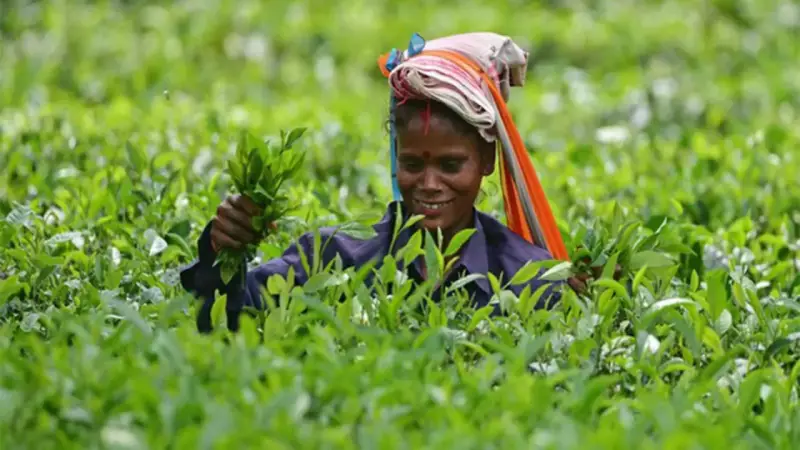
If your daily ritual involves a comforting cup of 'herbal tea' or 'flower tea', prepare for a significant change on the packaging. The Food Safety and Standards Authority of India (FSSAI) has issued a strict order that strips the 'tea' tag from any beverage not sourced from the traditional tea plant.
The Regulatory Crackdown on Misleading Labels
On December 24, the national food regulator directed all food business operators and e-commerce platforms to stop using the word 'tea' for blends or infusions not derived from the Camellia sinensis plant. This move targets popular products like 'Rooibos Tea', 'Herbal Tea', and 'Flower Tea'.
The FSSAI clarified that, according to existing regulations, the term 'tea'—including green tea and instant tea—must refer exclusively to products from the Camellia sinensis plant. Using the word for other plant-based infusions is now considered misleading and amounts to misbranding under the Food Safety and Standards Act, 2006.

A Booming Market Faces Rebranding
This directive strikes at the heart of a rapidly expanding segment. The flavoured and infusion tea market in India is growing at an impressive 40%-45% annually, fueled by urbanisation and changing consumer tastes.
Industry experts estimate this market's size at approximately 60 million kilograms in volume, with a value of around Rs 3,600 crore. It constitutes about 10% of the nation's total packaged tea consumption. The FSSAI order means this entire segment must now undergo a major rebranding exercise.
Industry and Experts Weigh In
The ruling has found support from key figures within the traditional tea industry. Bijoy Gopal Chakraborty, president of the Confederation of Indian Small Tea Growers' Association (CISTA), emphasised that "tea itself is a natural healthy wellness drink, and we should promote it and drink it."
Rudra Chatterjee, Managing Director of the Luxmi Group (owner of Makaibari Tea Estate), strongly endorsed the FSSAI's definition. He believes the clarity protects both consumers and India's tea growers.
However, Chatterjee also highlighted a silver lining for herbal concoctions. He pointed out that India's rich tradition of infusions using tulsi, turmeric, ginger, and ashwagandha is gaining global popularity. These should be celebrated not as 'tea', but as a distinct and deeply Indian category of wellness beverages in their own right.
What Happens Next for Consumers and Businesses?
The FSSAI's directive is clear: all businesses, including e-commerce platforms involved in manufacturing, packing, marketing, or selling such products, must refrain from using the term 'Tea' for non-Camellia sinensis items. Labels must accurately reflect the true nature of the food product.
For consumers, this means the familiar boxes and listings for 'herbal tea' will gradually disappear from shelves and websites, to be replaced by more accurate descriptors like 'herbal infusion' or 'botanical blend'. While the name changes, the refreshing taste and appeal of these beloved hot drinks are expected to remain just as potent.